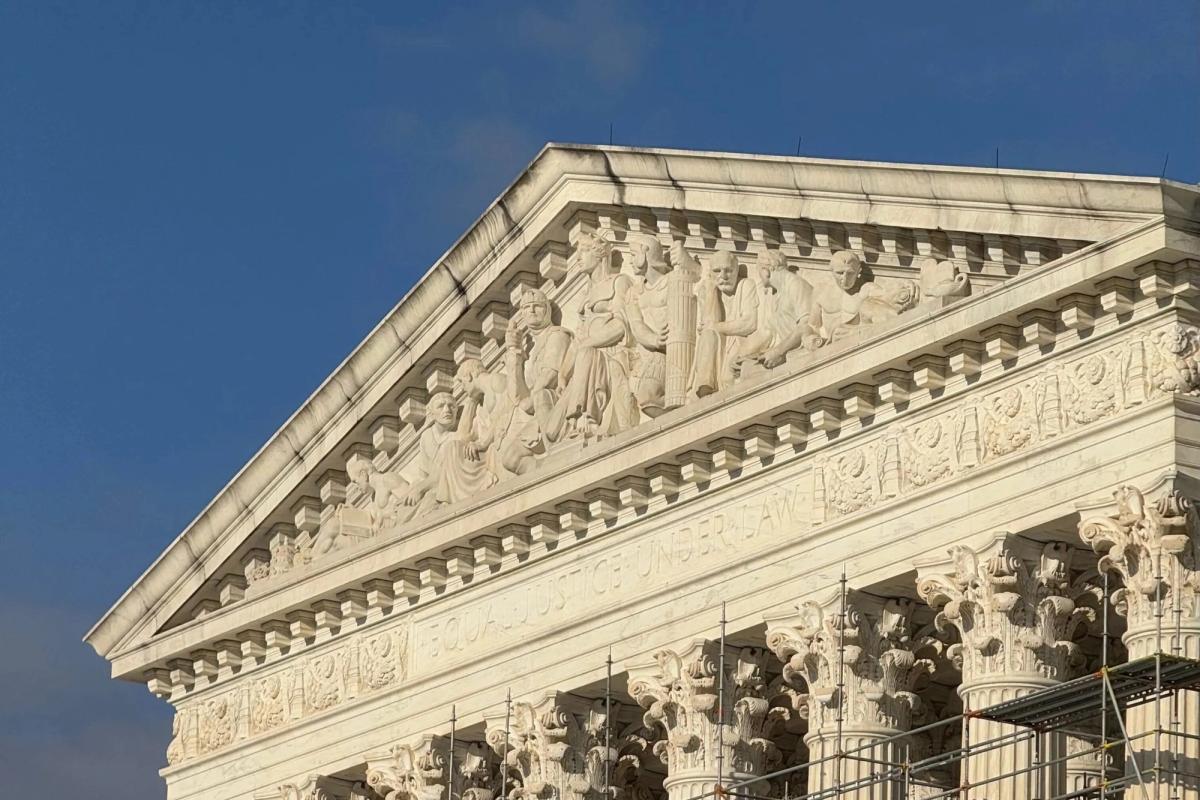
The Supreme Court's oral argument calendar faces mounting pressure as the justices struggle to accommodate an expanding docket within existing time constraints. SCOTUSblog reports that the current schedule leaves little room for the extended questioning that characterizes complex constitutional litigation, forcing the Court to confront hard choices about how many cases it can meaningfully hear each term.
The justices have historically limited oral arguments to one hour per case, split evenly between the parties. Yet petitioners and respondents increasingly request additional time to address the layered legal questions presented in modern disputes. Granting these requests consistently would expand argument sessions and reduce the number of cases the Court can hear annually, a trade-off the institution has resisted making explicit.
The scheduling crunch reflects broader tensions within the Court. Justices appointed in recent years have shown greater appetite for hearing cases on contentious constitutional matters, expanding the docket from roughly 70 to 80 cases per term. Simultaneously, cases themselves have grown more complex, spanning multiple jurisdictions, intricate statutory regimes, and competing constitutional principles that demand thorough exploration during oral argument.
The article also examines the Court's troubled history with confidential information leaks. Previous breaches have exposed draft opinions, internal memoranda, and strategic deliberations, damaging institutional trust and prompting the Court to tighten security protocols. The 2022 leak of Justice Samuel Alito's draft opinion in Dobbs v. Jackson Women's Health Organization catalyzed one of the most serious internal crises in recent Court history, prompting the justices to restrict document access and implement additional safeguards.
These parallel challenges reveal a Court grappling with its own operational limits. The justices must decide whether to maintain the fiction that current procedures suffice or acknowledge that the institution's workload has outpaced its capacity to provide adequate argument time for the cases it accepts. The unres