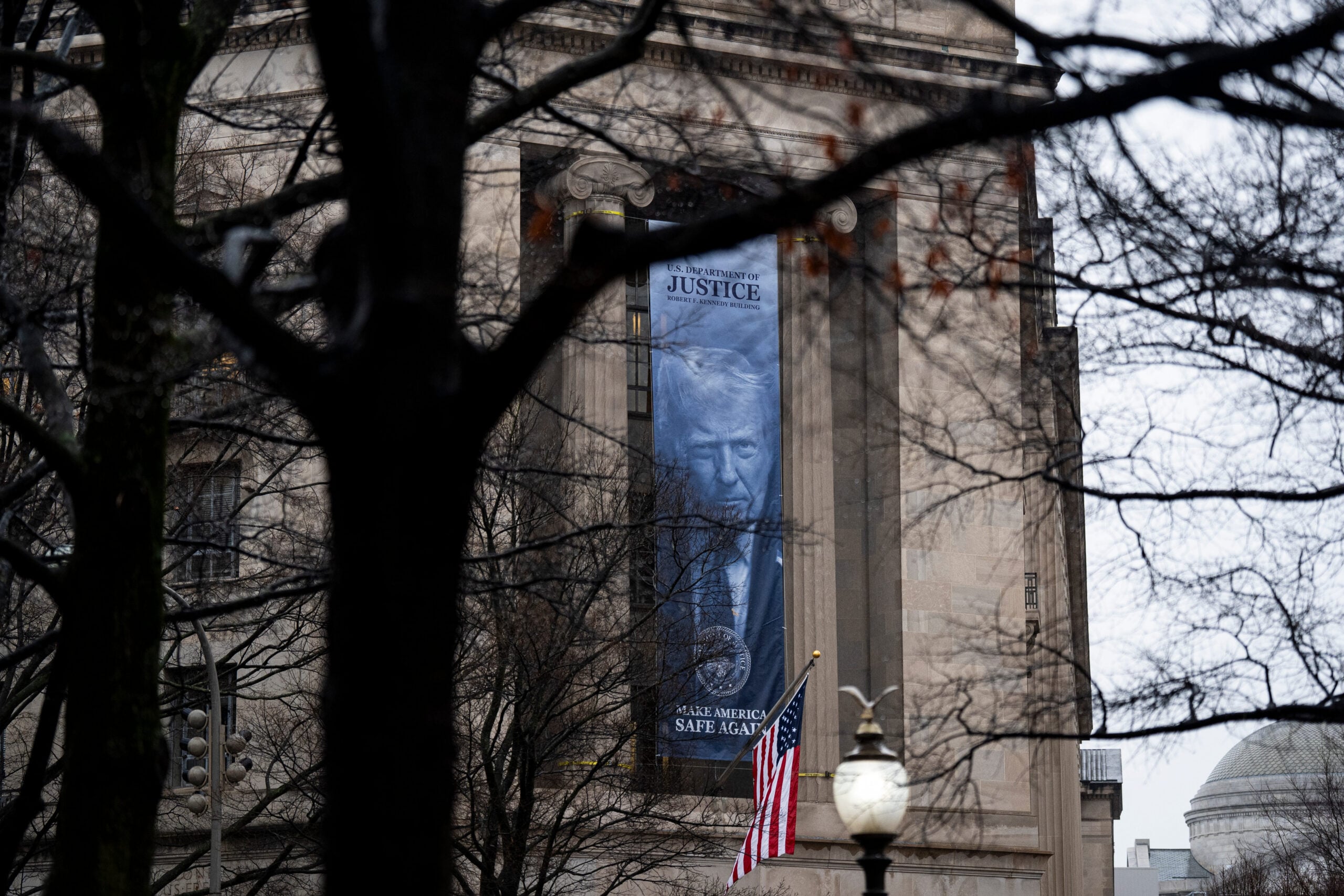
The Department of Justice has targeted prosecutors for termination based on their enforcement of the Freedom of Access to Clinic Entrances Act (FACE Act), the federal statute that criminalizes violence and threats against abortion providers and clinics. The removals represent a deliberate shift in DOJ enforcement priorities under new leadership.
The FACE Act, enacted in 1994, makes it illegal to use force, threats, or physical obstruction to interfere with individuals seeking or providing abortion services. Federal prosecutors have used this statute to prosecute clinic bombings, arsons, murders, and harassment campaigns against abortion providers for three decades.
The DOJ's personnel changes signal a reversal in commitment to FACE Act enforcement. Prosecutors who brought cases under the statute now face removal despite their track records of enforcing existing federal law. The department has simultaneously recruited candidates through social media using criteria that prioritize ideological alignment with the new administration's positions on abortion access.
This purge extends beyond individual firings. It reshapes the institutional capacity of the DOJ to enforce federal abortion clinic protections. When experienced prosecutors leave or face removal, the continuity of complex investigations and prosecutions breaks. Cases in progress may stall. Institutional knowledge about clinic violence patterns and prosecution strategies disappears.
The practical effect creates a window where abortion clinic violence may increase without federal prosecution. Violent actors gain clarity that federal enforcement has deprioritized their conduct. Abortion providers and clinic workers lose the deterrent effect that FACE Act prosecutions previously provided.
The removals also raise constitutional questions about prosecutorial independence. Career prosecutors traditionally enjoy some insulation from purely political termination. Using employment status as a tool to enforce uniform ideology within the prosecutorial ranks departs from the professional standards that govern federal law enforcement.
Federal courts may eventually review whether these terminations violate statutory protections for career civil servants or exceed executive authority. The removals establish a preced