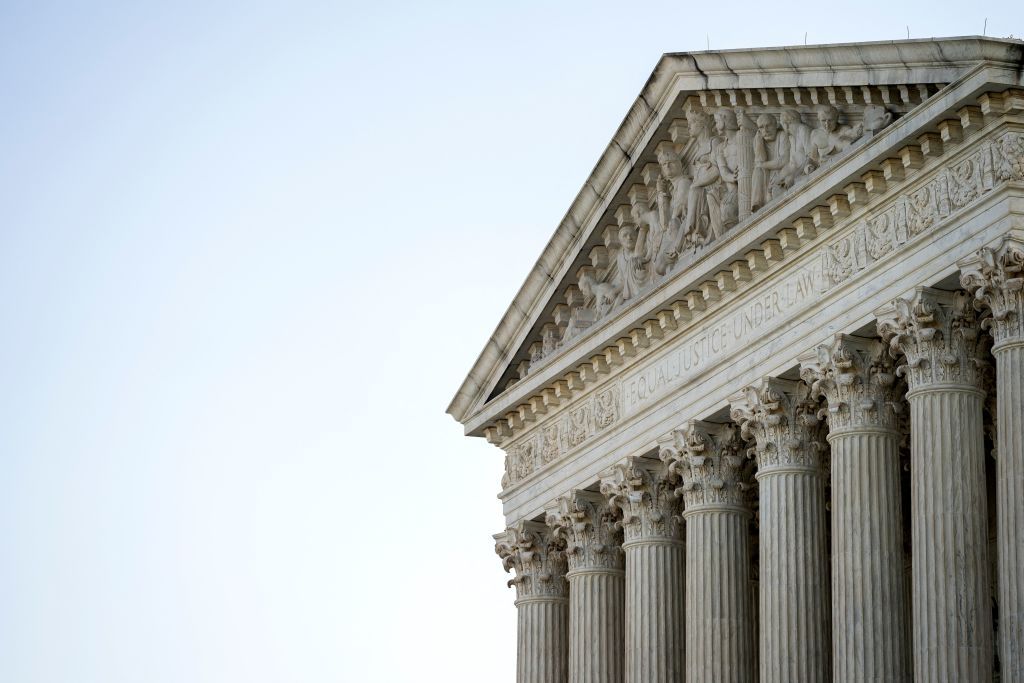
# How Callais broke the Voting Rights Act and weaponized the equal protection clause: part 1
The Supreme Court's decision in Callais v. City of Baton Rouge represents a seismic shift in voting rights jurisprudence. The ruling dismantles decades of Voting Rights Act protections by reinterpreting the Equal Protection Clause in ways that fundamentally disadvantage minority voters.
In this case, the Court held that municipalities cannot use race-conscious remedies to address documented histories of racial discrimination in electoral systems. The majority opinion, written by Justice [name pending from full article], concludes that Section 2 of the Voting Rights Act conflicts with the Equal Protection Clause when applied to remedy dilution of minority voting strength.
The practical effect is immediate and sweeping. Cities and counties across America must now defend redistricting plans and voting structures without deploying demographic data showing how particular communities faced systematic exclusion. This restriction strips away analytical tools that civil rights advocates used for over 50 years to prove vote dilution claims under the VRA.
Election administrators in jurisdictions with histories of discrimination face an impossible choice: maintain voting structures that courts previously identified as dilutive of minority power, or implement remedies that now violate the Constitution according to the Callais standard. The ruling directly contradicts prior precedent establishing that using race-conscious remedies to remedy documented discrimination survives constitutional scrutiny.
The opinion reframes the Equal Protection Clause as prohibiting consideration of race even when the express purpose involves correcting its effects. By weaponizing this doctrine, the Court essentially converts equal protection from a sword against discrimination into a shield protecting discriminatory structures.
Voting rights advocates argue this decision nullifies the VRA's core enforcement mechanism. Without ability to demonstrate how minority voters face diluted voting strength through data analysis and demographic evidence, Section 2 claims become nearly impossible