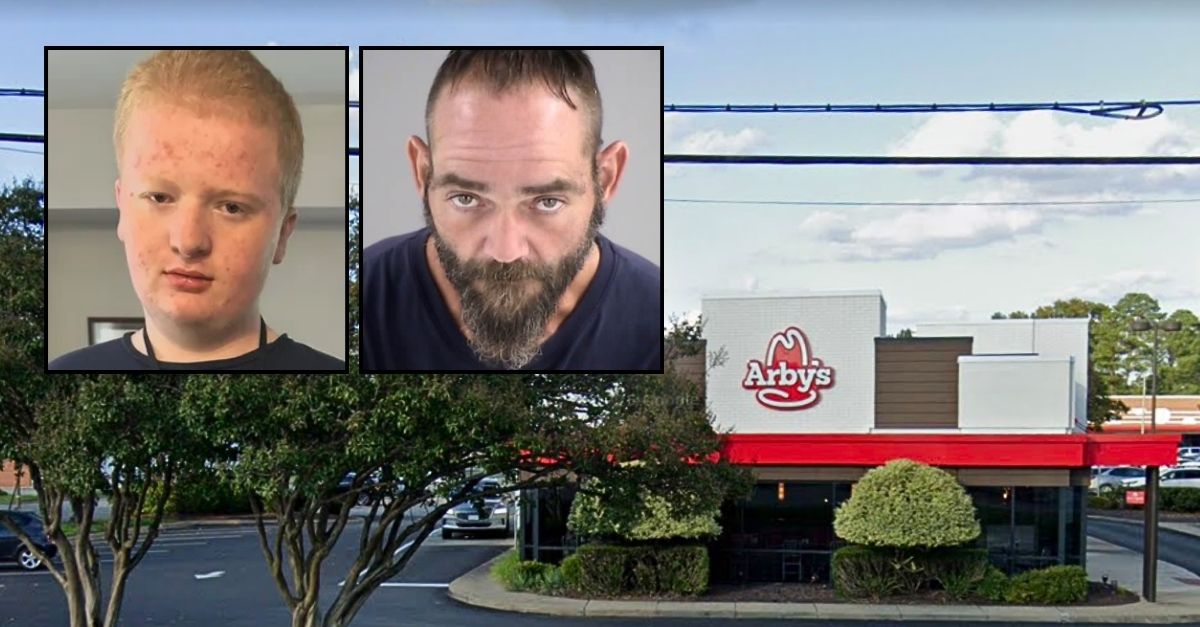
An autistic and mentally disabled teenager in Alabama died after a hit-and-run driver struck him while he walked home from an Arby's restaurant. The teen had missed the last bus, according to his family and law enforcement.
The incident highlights vulnerabilities faced by disabled individuals navigating public spaces. The teenager reportedly left his reflective safety vest in a washing machine before heading out, removing a critical visibility aid that might have warned approaching drivers of his presence on roadways.
Police classified the case as a hit-and-run homicide. Investigators worked to identify the driver responsible for the fatal collision. The family's account to authorities established that the teen was employed and using public transportation, but transportation limitations created a dangerous situation when he missed his scheduled bus home.
Hit-and-run statutes in Alabama impose criminal liability on drivers who flee accident scenes without providing identifying information or rendering assistance. Depending on the victim's injuries or death, charges escalate from misdemeanor to felony levels. Alabama Code Section 32-10-2 requires drivers involved in accidents to stop, provide their identity, contact information, and vehicle registration to other parties and police.
The case raises questions about accessibility infrastructure for vulnerable populations. Teens with autism and intellectual disabilities often face disproportionate risks when relying on public transportation or walking in areas with inadequate lighting or pedestrian protections.
The mother's decision to share details about the missing reflective vest underscores how multiple factors combined to create the tragedy. Her public account served both to memorialize her son and to appeal for community assistance in identifying the driver.
Authorities pursued the investigation to hold the driver accountable under both criminal statutes and potentially civil wrongful death claims. For hit-and-run cases resulting in fatalities, Alabama permits families to pursue civil recovery alongside criminal prosecution, though criminal conviction is not required for civil liability.