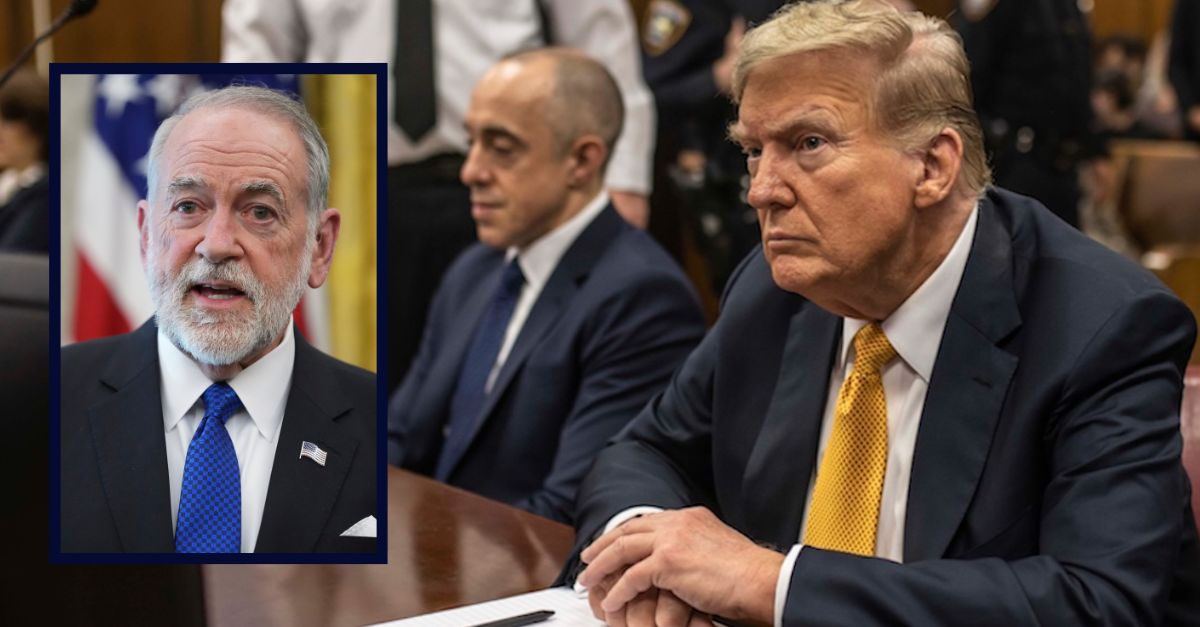
Mike Huckabee, the U.S. Ambassador to Israel, filed a lawsuit challenging fake Facebook advertisements that falsely claimed CBD products cured various ailments using his name and likeness without authorization. The case now rests with a federal judge who previously served as a criminal defense attorney for Donald Trump, raising questions about judicial impartiality and the resolution of the dispute.
The core legal issue involves unauthorized use of Huckabee's identity in misleading commercial speech. Facebook and other social media platforms face persistent problems with counterfeit endorsement schemes that exploit public figures' reputations to market unproven health products. These operations typically operate through shell companies and exploit platform enforcement gaps.
Huckabee's claims likely invoke multiple causes of action: right of publicity violations, false advertising under the Lanham Act, and potentially fraudulent misrepresentation. The Lanham Act, codified at 15 U.S.C. Section 1125(a), prohibits false or misleading representations in commerce. State law claims for right of publicity protect individuals from commercial exploitation of their identity without consent.
The judge's prior representation of Trump introduces a procedural complication. While prior legal representation does not automatically disqualify a judge, it raises recusal questions under 28 U.S.C. Section 455, which requires judges to disqualify themselves when impartiality could reasonably be questioned. The appointment of a judge with Trump connection history to hear Huckabee's case, a Trump appointee himself, creates apparent conflicts of interest that merit scrutiny.
For Huckabee, success requires proving actual use of his identity in commerce and damages resulting from consumer deception. The defendant operators likely operate across multiple jurisdictions with minimal assets, complicating enforcement. Huckabee may also pursue injunctive relief to halt further unauthorized use.