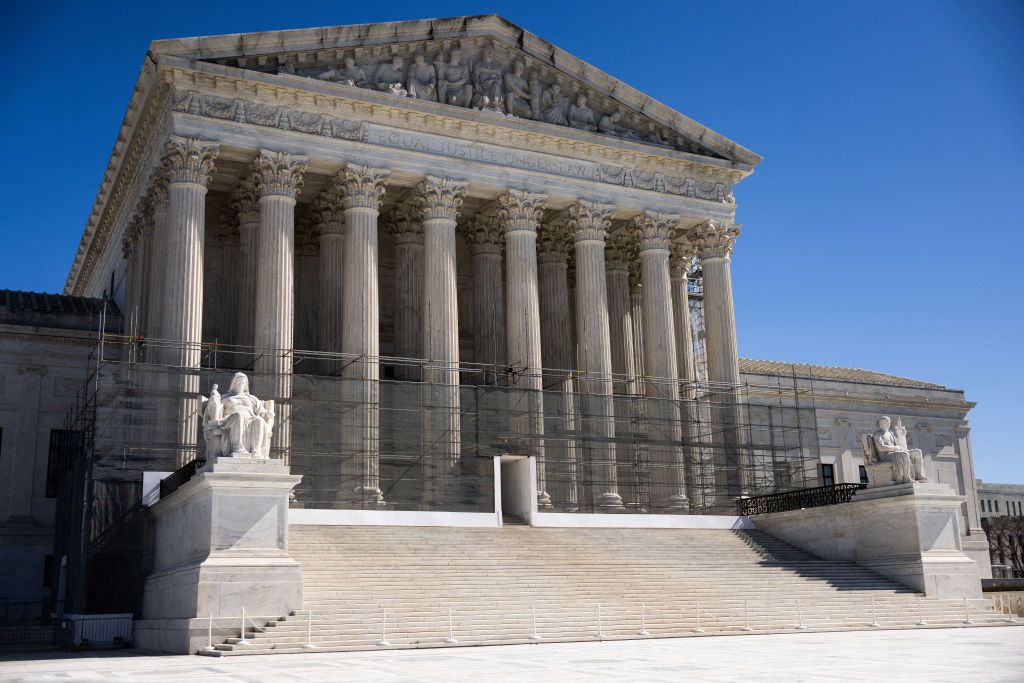
# Supreme Court Accepts Sex Discrimination Case, Rejects X Platform Lawsuit
The Supreme Court agreed to hear a case addressing whether employees retain the right to bring certain lawsuits for sex discrimination under federal employment law. The justices declined, however, to consider a separate challenge against the social media platform X, which alleged the company failed to report child sexual abuse material to authorities.
The sex discrimination case centers on the scope of remedies available to workers alleging gender-based harassment or discrimination in the workplace. The decision signals the Court's willingness to clarify employee rights under Title VII of the Civil Rights Act of 1964 and related employment statutes. The exact parameters of which suits employees can bring remains contested among lower courts, creating inconsistent protections across jurisdictions.
The rejected child pornography case involved claims that X violated federal law by failing to report child sexual abuse material discovered on its platform. The plaintiff argued the platform had obligations under laws designed to protect minors online. By declining to hear the case, the Supreme Court left standing whatever lower court ruling addressed the issue, effectively allowing existing law to govern such reporting requirements and corporate liability.
The child pornography decision reflects broader tension surrounding Section 230 of the Communications Decency Act, which shields online platforms from liability for user-generated content. Courts continue wrestling with how that provision applies to claims involving illegal content and corporate reporting duties.
The employment discrimination case carries more immediate consequences for businesses. Companies face uncertainty about which employee claims survive preliminary dismissal under various statutes. The Supreme Court's clarification will likely reshape employment litigation nationwide, potentially expanding or narrowing the universe of viable discrimination suits.
The Court's docket shows the justices remain focused on core constitutional questions while avoiding emerging questions about social media regulation and child safety enforcement. The employment case proceeds on a traditional civil rights foundation, whereas the X case required balancing platform immunity with child protection laws.
CATEGORY