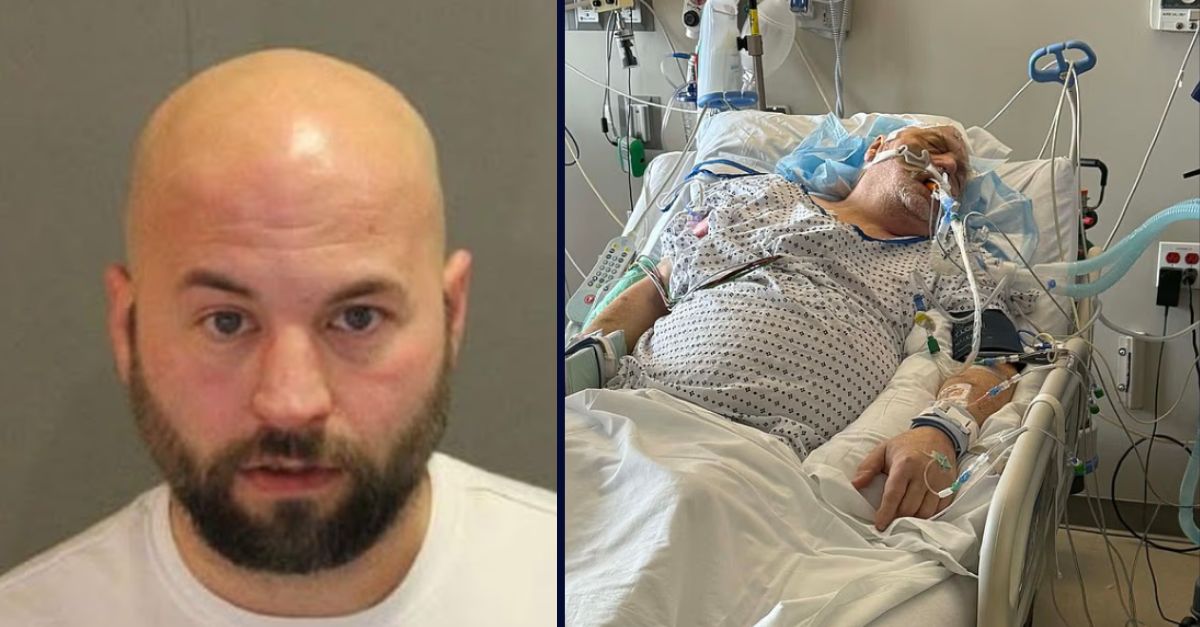
A Michigan DoorDash driver now faces upgraded criminal charges following the death of a 75-year-old man who spent months in a coma after the alleged assault.
The victim died after the driver allegedly punched him in the face during a neighborhood confrontation. The initial encounter occurred when the victim complained to the driver about excessive speeding in the residential area. The punch caused severe injuries that left the victim incapacitated for an extended period before his death.
Prosecutors upgraded the charges after the victim's death, moving from the original assault charges to more serious felonies that reflect the fatal outcome. The delay between the initial attack and the victim's subsequent death created a legal pathway for enhanced charges. Michigan law permits elevation of assault charges to manslaughter or second-degree murder when a victim dies from injuries sustained during the original incident, even if death occurs months later.
The case illustrates how a routine complaint about neighborhood safety escalated into a violent encounter with lethal consequences. The driver's conduct, captured through witness accounts and evidence, demonstrates a disproportionate response to a minor traffic concern. The victim's age and vulnerability as a senior citizen compounds the gravity of the alleged offense.
This matter carries implications for both criminal liability and potential civil exposure. DoorDash may face questions regarding driver screening, training, and accountability for employee conduct. The company's insurance policies and indemnification obligations will likely become focal points in any civil litigation by the victim's family.
The upgraded charges reflect prosecutorial decisions to treat the death as a direct consequence of the defendant's initial violent act. The timing of the victim's death and the medical connection between the punch and subsequent coma establish causation necessary for enhanced charges.
The case remains pending in Michigan state court, where the defendant faces proceedings that will determine liability for the escalated charges tied to the fatal outcome.