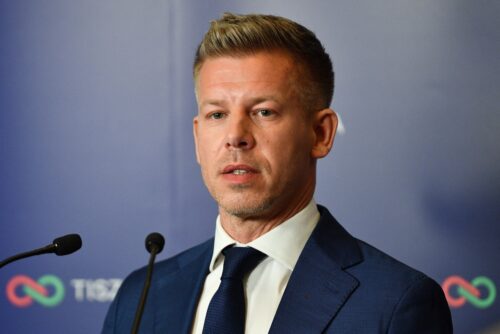
Viktor Orban conceded electoral defeat to conservative challenger Peter Magyar in Hungary's parliamentary elections on Sunday, ending his 16-year grip on power. The result represented a significant setback for nationalist movements across Europe and stripped Russian President Vladimir Putin of his most reliable European ally.
Magyar's coalition secured enough seats to form a government, buoyed by record voter turnout that signaled public rejection of Orban's governance. Orban characterized the loss as "painful," acknowledging the scale of his political reversal. The Hungarian electorate delivered a clear mandate for change, with voters abandoning the Fidesz party that Orban led to repeated victories since 2010.
The election held legal and geopolitical ramifications beyond Hungary's borders. Orban's administration faced mounting scrutiny from European Union institutions over rule-of-law concerns, judicial independence, and press freedom. His defeat removes a key obstacle to EU enforcement actions and opens pathways for judicial reforms that Brussels has demanded.
The outcome damaged Trump's political brand internationally. Trump had publicly endorsed Orban, viewing him as an ideological ally against progressive governance. The Hungarian electorate rejected this alignment, signaling voter fatigue with Orban-style nationalism and illiberal democratic practices.
For Putin, the result eliminated a critical voice defending Russian interests within NATO and EU forums. Orban consistently opposed sanctions regimes against Moscow and blocked unified European security responses. Magyar has signaled stronger alignment with Western institutions and NATO solidarity, a dramatic shift in Hungary's geopolitical orientation.
Magyar now faces the practical challenge of forming a functional coalition government and navigating EU institutional relationships after years of friction. His coalition includes multiple parties with competing agendas, requiring negotiated settlements on constitutional reforms and EU compliance measures. The transition from Orban's consolidated executive power to collaborative governance structures presents substantial administrative complexity.
The election result demonstrates that despite years of electoral