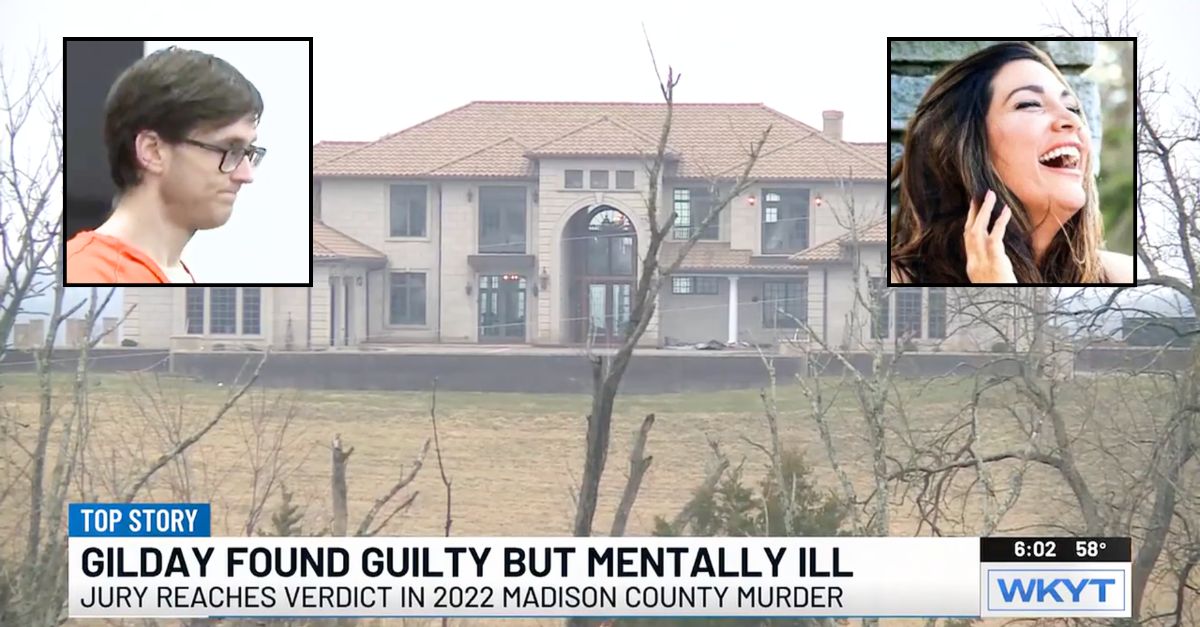
A Kentucky jury convicted a man of shooting a woman 25 times through a mansion door during a home invasion motivated by the search for the family's "doomsday bunker." The defendant fired through the door repeatedly while the victim pleaded with him to stop, then abandoned her to die from her injuries without rendering aid or calling emergency services.
The case centers on a deliberate, execution-style attack that demonstrates premeditation and callous disregard for human life. The jury's verdict reflects the severity of the crimes committed. The defendant's actions during the invasion show a pattern of extreme violence pursued with singular focus on accessing the family's bunker, regardless of the consequences to the victim.
The shooting occurred during a forced entry into the residence. The victim's repeated pleas for mercy—documented by the phrase "Please don't"—were ignored as the defendant continued firing through the barrier. After emptying his weapon, he made no attempt to seek medical help or contact authorities, instead allowing the victim to hemorrhage fatally.
This case implicates multiple serious felonies including murder, attempted murder, home invasion, and potentially aggravated assault depending on Kentucky statutes. The jury's decision exposes the danger posed by home invaders willing to employ extreme violence to achieve their objectives. The defendant's indifference to the victim's survival after the shooting compounds the brutality of the initial assault.
The verdict carries substantial sentencing implications under Kentucky law. Conviction for murder in the first degree typically results in life imprisonment without possibility of parole. The additional shooting convictions stack sentences, effectively ensuring lengthy incarceration.
For homeowners, this case underscores the lethal risks posed by residence security features like bunkers when their existence becomes known. The defendant's obsession with accessing the bunker motivated the entire invasion, suggesting that publicly disclosed security measures can paradoxically increase vulnerability. Law enforcement continues investigating whether the