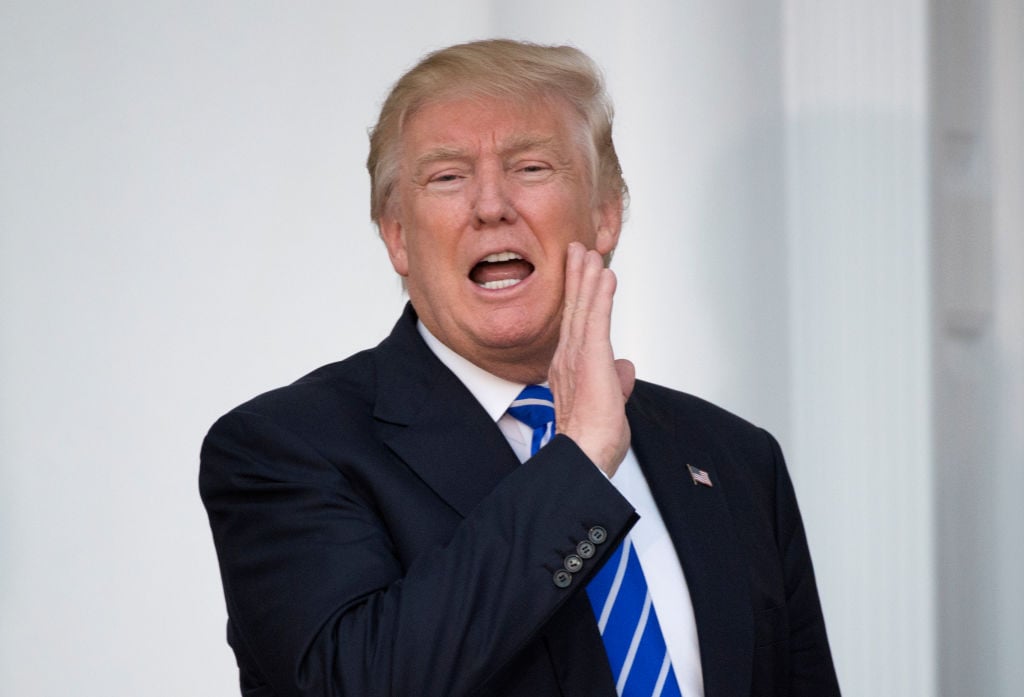
The post provides limited substantive detail beyond its headline suggesting presidential misappropriation of funds. Based on the title and the single quoted line expressing hope for taxpayer lawsuits, the article appears to discuss a sitting president's alleged misuse of federal resources or appropriated funds, with the author anticipating litigation challenging the conduct.
Taxpayer suits against executive officials represent a distinct legal mechanism for challenging government spending. Under the Administrative Procedure Act and the Appropriations Clause, taxpayers retain standing in certain circumstances to challenge federal expenditures as violations of constitutional limits on spending authority. The Supreme Court has historically constrained taxpayer standing, but plaintiffs may proceed where they establish a concrete injury flowing from allegedly unconstitutional spending.
Presidential misappropriation claims typically invoke one of several legal theories. These include violations of the Appropriations Clause, which prohibits spending money except as appropriated by Congress; misuse of executive contingency funds; or unauthorized transfers between accounts. The Impoundment Control Act of 1974 restricts a president's power to defer or rescind congressionally appropriated funds without legislative approval, creating another potential avenue for challenge.
The author's prediction of "a lot of taxpayer lawsuits" suggests this alleged misappropriation involves either substantial sums or widespread public concern sufficient to motivate multiple plaintiffs. Success in such litigation typically requires demonstrating both standing and a substantive violation of statutory or constitutional provisions governing federal spending.
Such cases carry practical implications for executive power and legislative appropriations authority. Courts weighing these disputes balance separation-of-powers concerns against statutory limitations designed to preserve congressional spending prerogatives. Recent years have seen increased scrutiny of executive fund management, with courts occasionally restraining presidentially directed spending that exceeded appropriated amounts or diverted funds contrary to statutory purpose.
The outcome of anticipated litigation would affect both the specific funds at issue and broader doctrine governing executive discret