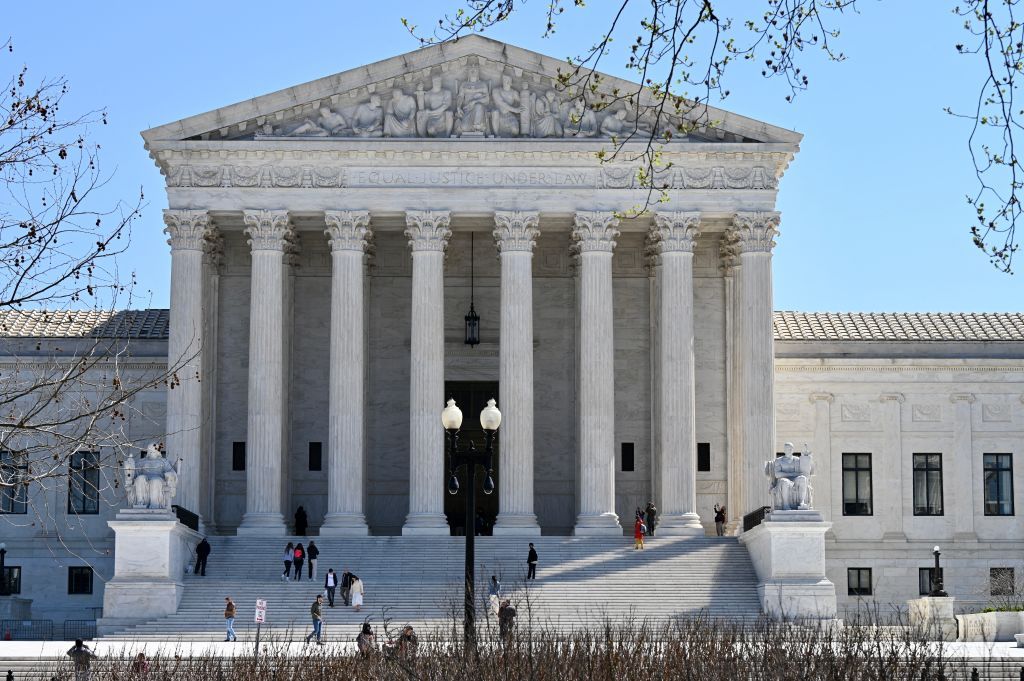
# Supreme Court Affirms Federal Court Authority Over Arbitration Awards in Federal Cases
The Supreme Court has validated the power of federal courts to confirm arbitration awards when disputes already occupy the federal docket, establishing clear boundaries around judicial oversight of alternative dispute resolution.
The decision addresses a recurring procedural question. When parties have arbitrated disputes and one party seeks confirmation of an arbitration award, federal courts possess jurisdiction to grant that confirmation. The Court rejected arguments that such confirmations represent an impermissible expansion of federal authority or an intrusion into arbitration's finality protections.
The ruling matters for the arbitration industry and businesses that rely on mandatory arbitration clauses. Arbitration remains final and binding once rendered, but confirmation proceedings in federal court provide a mechanism for enforcing awards against non-compliant parties. Without clear federal court authority to confirm awards, parties could face obstacles in collecting on arbitration victories.
The opinion emphasizes that federal jurisdiction exists specifically when a case already occupies federal court dockets. This limitation prevents wholesale transfer of arbitration disputes into federal courthouses. Instead, the decision preserves the traditional arbitration model, where parties handle the substantive arbitration through private processes while federal courts provide the enforcement mechanism.
The practical implications extend across industries. Employers relying on arbitration agreements with employees, financial institutions using arbitration clauses with customers, and commercial parties with arbitration provisions all depend on effective enforcement mechanisms. Without federal court authority to confirm awards, arbitration loses its teeth.
The decision reflects the Supreme Court's established posture favoring arbitration as a legitimate alternative to litigation. The Court has consistently privileged arbitration agreements and their enforceability under the Federal Arbitration Act. This ruling continues that trajectory while carving out a modest exception for confirmation proceedings already in the federal system.
The holding does not eliminate state court involvement. State courts retain concurrent jurisdiction over arbitration confirmations, and