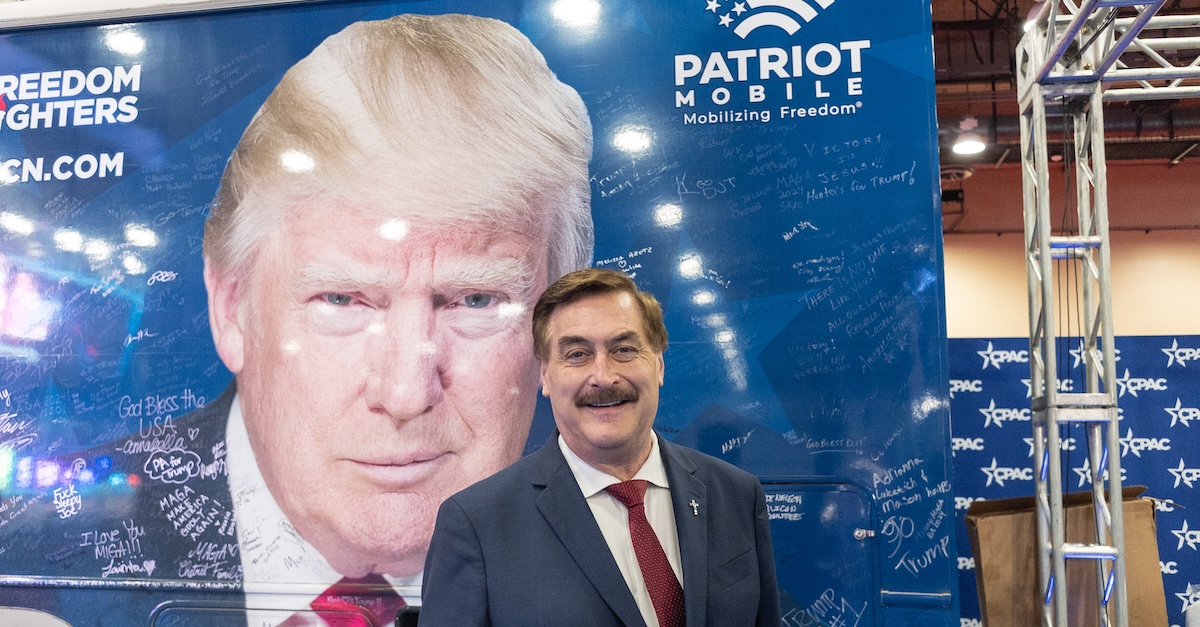
Mike Lindell, CEO of MyPillow, announced plans to seek compensation from a Trump administration discretionary fund as MyPillow faces mounting financial losses and litigation.
Lindell stated he intends to file a claim against the Trump White House's $1.776 billion slush fund. This fund operates outside traditional congressional appropriations and gives executive officials broad latitude in distributing money. Lindell characterized the move as a potential remedy for MyPillow's losses, which he described as reaching hundreds of millions of dollars.
The announcement comes as MyPillow confronts a fraud claim from FedEx. The shipping company alleges MyPillow engaged in fraudulent practices, though specific details remain limited from available reporting. Lindell's response suggests he views the federal fund as a vehicle to offset the company's financial damage.
The $1.776 billion discretionary fund represents a pool of money the Trump administration can deploy with minimal oversight or transparency requirements. Such funds typically operate through executive agencies and allow officials to direct resources toward priorities without detailed congressional review. Lindell's targeting of this fund signals a potential new use case for such presidential discretionary spending.
MyPillow has experienced significant business pressure in recent years. Multiple retailers, including major chains, dropped the brand from their shelves following Lindell's public statements about the 2020 election. The company faced separate litigation and regulatory challenges that contributed to reported financial strain.
Lindell's strategy of pursuing a federal fund claim represents an attempt to convert political alignment into direct financial relief. The viability of such a claim depends on how Trump administration officials structure eligibility criteria and review procedures for the discretionary fund. No established standard governs MyPillow's potential qualification for such assistance.
The move underscores how discretionary presidential spending mechanisms can become vehicles for supporting allied private interests. Whether Lindell's claim succeeds will