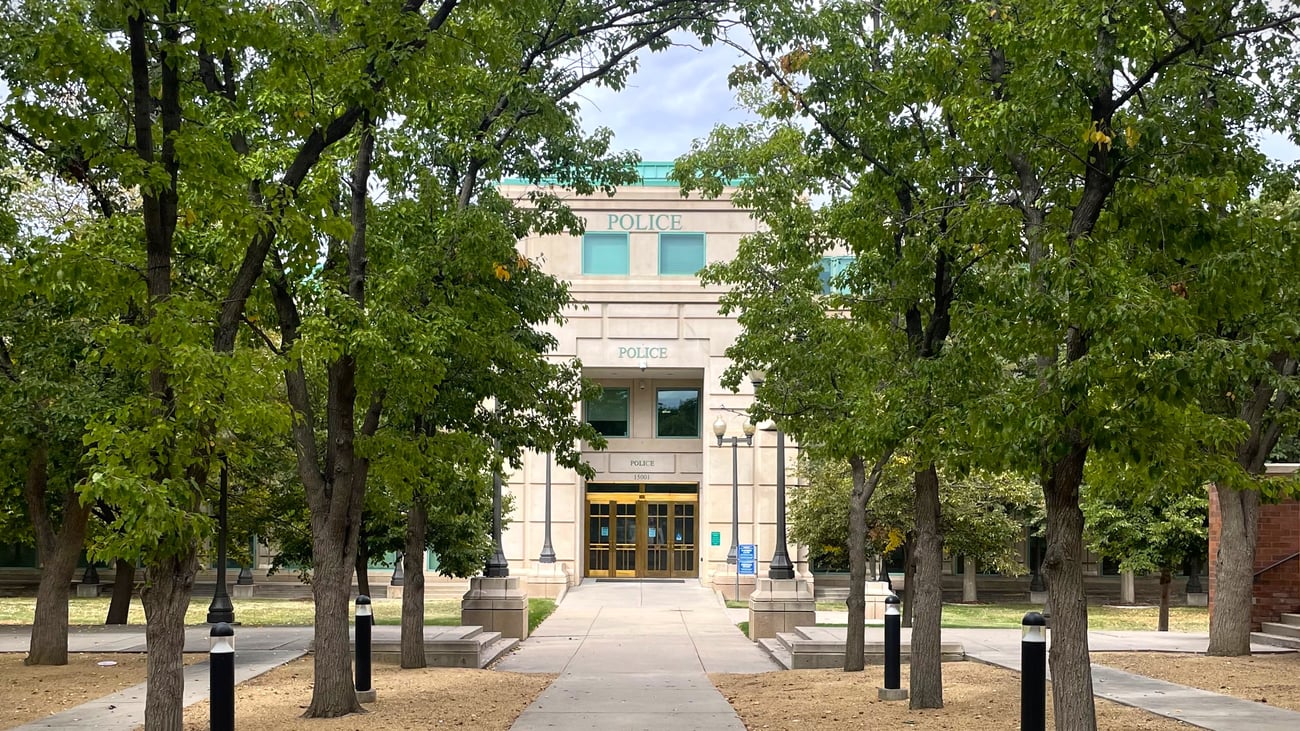
A family has filed a second lawsuit against the Aurora Police Department in Denver, Colorado, targeting conduct that falls within a documented pattern of racial profiling and excessive force. The department has operated under a consent decree since 2021, when Colorado state authorities identified systemic violations in the agency's operations.
The consent decree represents formal acknowledgment that Aurora Police engaged in a pattern and practice of constitutional violations. Under such decrees, departments must implement specific reforms, submit to ongoing monitoring, and demonstrate compliance with constitutional policing standards. The 2021 order reflects state-level findings of both racial profiling and excessive force, two distinct constitutional violations under the Fourteenth Amendment's Equal Protection Clause and the Fourth Amendment's prohibition on unreasonable seizures.
The filing of a second family lawsuit suggests the department's conduct continues despite the consent decree's requirements. Families typically pursue civil litigation under 42 U.S.C. Section 1983, which permits recovery from municipalities for constitutional violations committed by their officers. The existence of a pre-existing consent decree strengthens such claims because it demonstrates prior notice of systemic problems and creates a basis for arguing deliberate indifference to constitutional rights.
For Aurora Police, the second lawsuit creates additional liability exposure and complicates compliance efforts. Courts monitor consent decrees strictly. A pattern of continued violations despite the decree can result in expanded remedial measures, increased financial penalties, or transfer of authority to court-appointed overseers. The department must document that its training, supervision, and accountability mechanisms address the specific issues the consent decree identified.
For families and communities in Aurora, the lawsuit reflects ongoing concerns about police accountability. Consent decrees typically include provisions for civilian oversight, officer training requirements, use-of-force reporting, and community engagement mechanisms. The second filing indicates these structural reforms may not yet address underlying conduct problems.
The case will proceed in federal court, where judges evaluate both the immediate