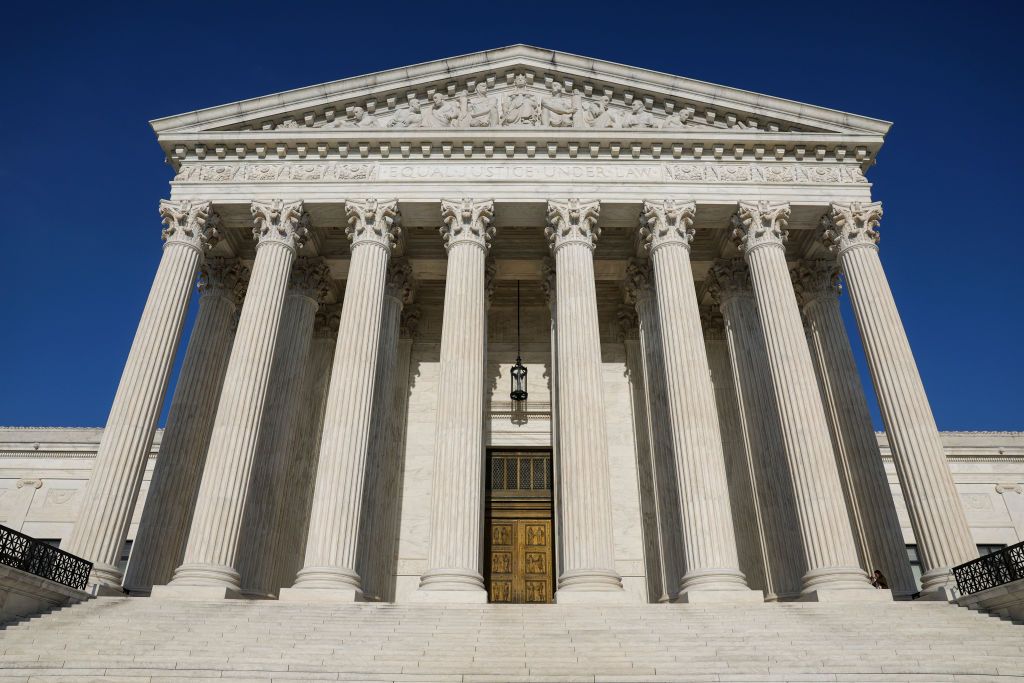
# When Courtroom Conduct Crosses the Line
Federal judges retain broad discretion to sanction lawyers and litigants for conduct that disrupts proceedings or shows disrespect to the court. The question of what constitutes inappropriate behavior—from jokes to profanity to social media activity—remains unsettled across jurisdictions.
Courts generally apply a contempt-of-court standard when evaluating misconduct in the courtroom itself. Judges examine whether conduct obstructs justice, impedes judicial processes, or deliberately challenges judicial authority. A casual joke might pass muster; one directed at the judge or designed to undermine testimony crosses into problematic territory. Federal Rule of Appellate Procedure 46 explicitly permits sanctions for misconduct by attorneys, and federal courts routinely enforce local rules governing decorum.
The harder cases involve peripheral conduct. Selfies taken in courthouse hallways or social media posts about cases present novel questions. Most courts now prohibit photography in courtrooms under federal and state rules, yet the courtroom boundaries themselves remain murky. Courts have sanctioned attorneys for tweeting case details or posting about judges, finding such conduct violates confidentiality rules or local bar regulations.
Profanity receives inconsistent treatment. Courts generally tolerate profanity in legal arguments when it serves rhetorical purpose, but gratuitous cursing directed at judges invites contempt findings. The distinction hinges on whether language serves communication or merely expresses disrespect.
State and federal courts lack uniform standards. Some adopt strict decorum requirements; others take relaxed approaches. The absence of Supreme Court guidance leaves lower courts navigating these questions case-by-case. Federal judges increasingly grapple with generational shifts in communication norms. What younger attorneys view as casual informality, older judges read as insubordination.
Bar associations recommend restraint. The Model Rules of Professional Conduct require lawyers