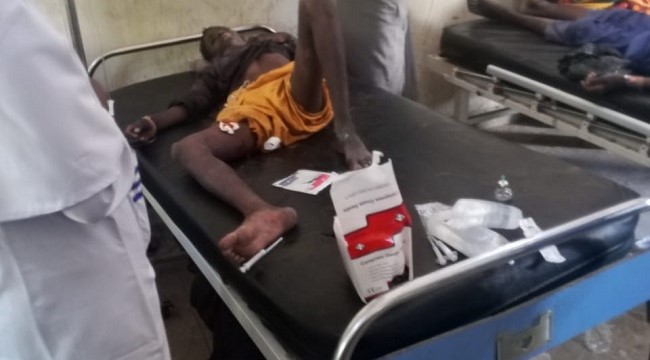
The Nigerian Air Force announced an investigation into allegations of civilian deaths resulting from airstrikes near Jilli Market in Geidam Local Government Area, Yobe State. Air Commodore Ehimen Ejodame, Director of Public Relations and Information at NAF Headquarters, confirmed the probe in a Sunday statement.
The investigation addresses civilian casualty claims stemming from military operations in the region. Nigeria's armed forces conduct ongoing counterinsurgency operations against militant groups in the northeast, where airstrikes form a core tactical component. Civilian harm allegations carry legal weight under international humanitarian law, specifically the Geneva Conventions and their Additional Protocols, which Nigeria has ratified.
The NAF's internal review mechanism represents a preliminary accountability measure. However, international law imposes obligations on state militaries to investigate credible allegations of civilian casualties independently and transparently. The UN Principles on Effective Investigations and Documentation of Torture and Other Cruel, Inhuman or Degrading Treatment or Punishment establish baseline standards for such inquiries. These include impartial investigation bodies, witness protection, public disclosure of findings, and remedies for victims.
Nigeria faces ongoing scrutiny from human rights organizations regarding civilian protection during armed conflict. Amnesty International and Human Rights Watch have documented allegations of disproportionate civilian impact from aerial operations. Such findings can trigger international accountability mechanisms, including referrals to the International Criminal Court for investigation of war crimes.
The practical implications extend beyond military operations. Documented civilian casualties affect Nigeria's international standing, military aid relationships, and potential liability. The U.S. State Department and European governments condition military assistance on compliance with international humanitarian law. Unresolved allegations can result in sanctions, arms embargoes, or diplomatic isolation.
For affected civilians, the investigation's transparency and independence determine access to justice and compensation. Nigerian domestic law provides limited remedies outside military channels. International pressure may