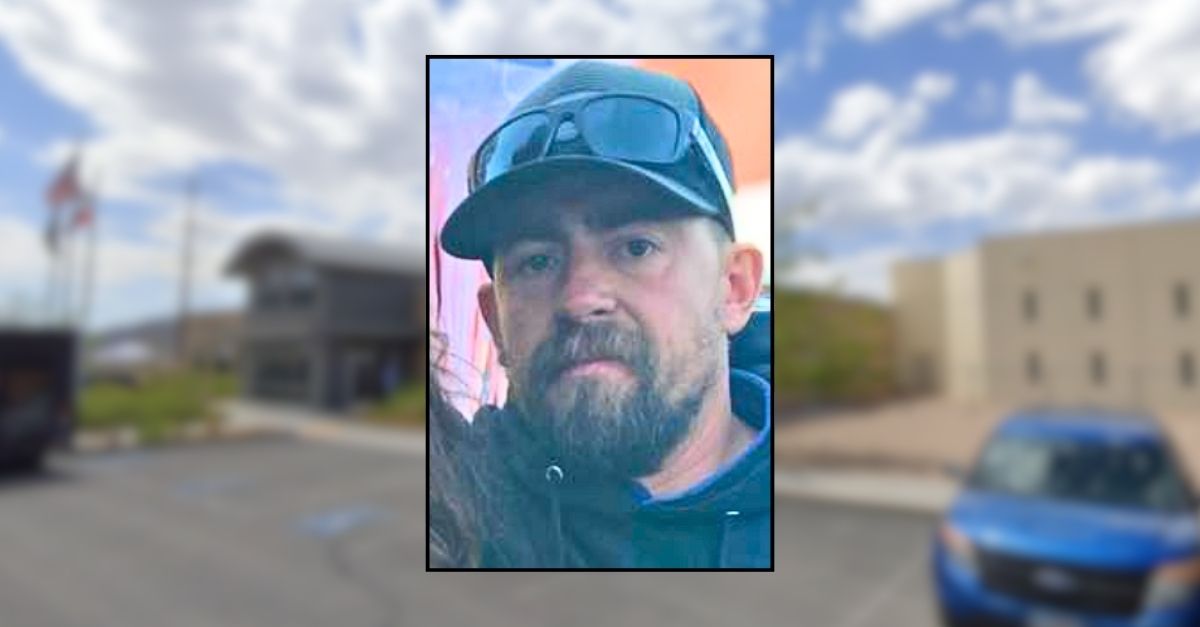
A Utah man faces criminal charges for allegedly attempting to kill his wife by manually strangling her and trying to break her neck. During the assault, he reportedly demanded, "Why won't you die?" while gripping her throat and the back of her head with both hands.
Law enforcement says this attack occurred just months after the same man stabbed his wife with scissors in a prior incident. The new allegations underscore a pattern of escalating domestic violence within the marriage.
Police responded to the incident and arrested the suspect. Prosecutors are building a case that connects the scissor stabbing to the recent strangulation attempt, establishing a timeline of repeated and intensifying violence. The wife's survival of both attacks positions her as a critical witness, though domestic violence victims face documented challenges in prosecution, including trauma, fear of retaliation, and financial dependence.
Utah law treats attempted homicide and aggravated assault as serious felonies. A conviction for attempted murder carries sentences of 15 years to life in prison. If prosecutors pursue alternative charges like aggravated assault with intent to cause serious bodily injury, sentences range from 5 to life. The manual strangulation constitutes domestic violence under Utah Code 76-5-109, which enhances penalties and triggers protective order provisions.
The case raises questions about why the defendant remained in contact with his wife following the scissor stabbing. If no protective order was issued after that incident, or if one existed but was unenforced, the system's response to the first attack may come under scrutiny during litigation.
Defense counsel will likely examine whether the strangulation constitutes attempted murder or a lesser charge, arguing facts surrounding intent and the wife's injuries. Prosecutors will rely on the defendant's explicit statement, witness accounts, and medical evidence of trauma.
This case reflects systemic challenges in domestic violence intervention. Repeat offenders often escalate their violence over time.