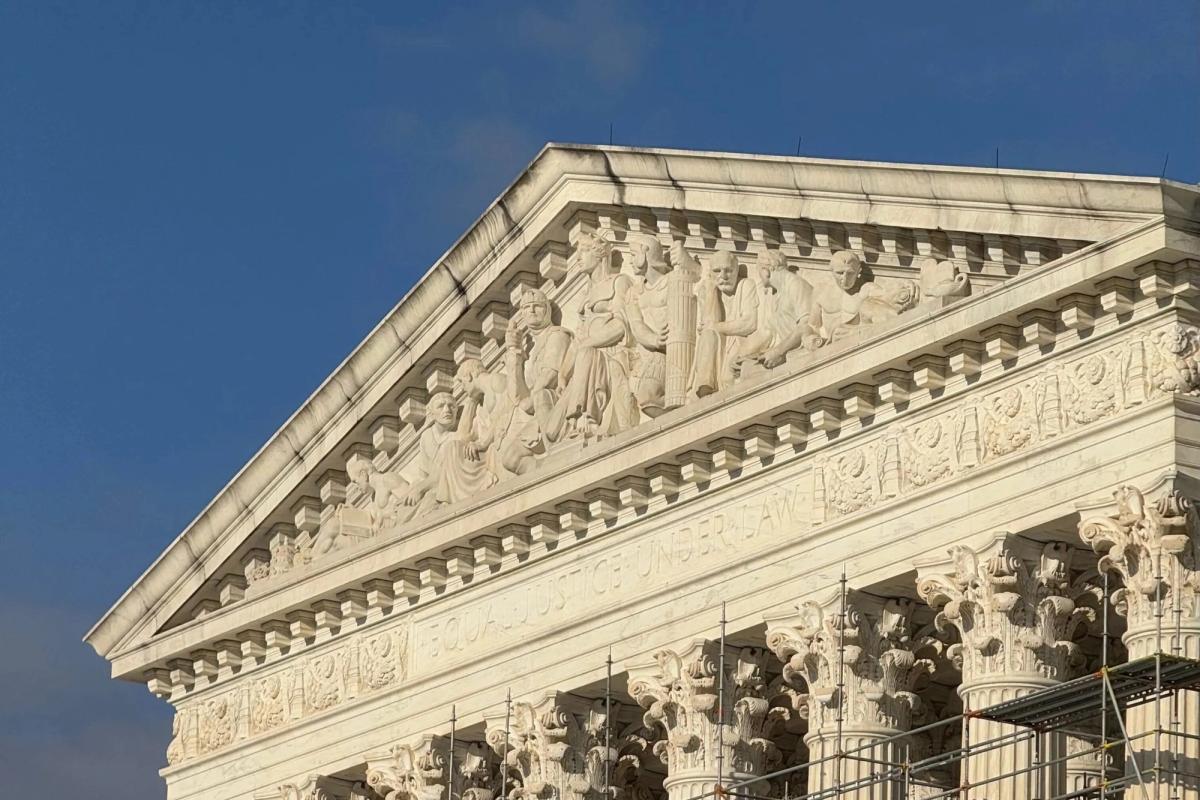
The Supreme Court's redistricting decisions continue generating legal and political consequences across multiple states as lower courts implement the high court's rulings on voting district boundaries.
The redistricting opinions from recent Supreme Court terms established framework limitations on how states may draw legislative districts. These rulings restrict partisan gerrymandering claims in federal court while simultaneously constraining racial gerrymandering under the Voting Rights Act. The tension between these doctrines creates operational challenges for state legislators and election officials tasked with complying with conflicting interpretive standards.
State courts have become primary venues for redistricting litigation following the Supreme Court's decisions. Courts in North Carolina, Pennsylvania, Wisconsin, and other jurisdictions have invalidated district maps under state constitutional provisions after the Supreme Court declined federal oversight. This shift transfers significant power to state judicial systems, which apply their own constitutional texts and precedents to evaluate whether maps dilute voting strength or entrench partisan advantage.
The fallout affects legislative bodies directly. When courts reject maps mid-cycle, legislatures must redraw districts under time pressure. Some states face elections with interim maps while final remedial plans proceed through judicial review. Election administrators struggle with printing ballots, notifying voters, and organizing campaigns under map uncertainty.
The ongoing uncertainty extends beyond legislative districts. Congressional map challenges continue in multiple circuits. Parties appeal adverse rulings, seeking Supreme Court intervention. The Court has indicated it will announce additional opinions this session, which may clarify or modify existing redistricting doctrine.
For businesses and election-adjacent industries, the instability creates operational risks. Campaign committees cannot finalize strategy when district boundaries remain contested. Media companies struggle with advertising buys across shifting district lines. Legal firms maintaining appellate practices track state-by-state developments as the litigation landscape evolves.
The Court's approach ultimately devolves redistricting disputes to state courts applying state law. This federalism shift represents a substantive change in voting