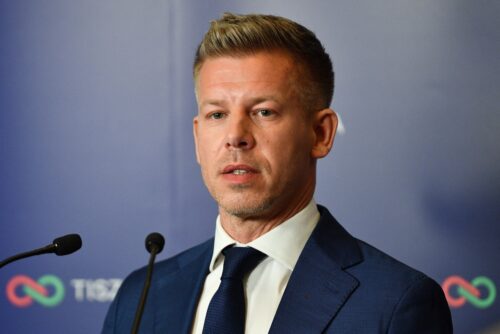
Viktor Orban conceded electoral defeat to conservative challenger Peter Magyar in Hungary's parliamentary elections on Sunday, ending the incumbent's 16-year grip on power. Orban, who governed Hungary since 2010, acknowledged the "painful" loss following record voter turnout in the contest.
Magyar's victory carries geopolitical consequences. Orban had cultivated close ties to Russian President Vladimir Putin, positioning himself as Europe's most Putin-sympathetic leader within the European Union. His departure removes a key ally for Moscow's interests on the continent. The election outcome also disappointed nationalist figures globally, including US President Donald Trump, who had backed Orban's re-election.
Orban's coalition previously controlled parliamentary supermajorities that enabled him to reshape Hungary's institutions without opposition constraint. His administration faced sustained criticism from Brussels regarding judicial independence, press freedom, and rule-of-law concerns. EU leaders had repeatedly flagged Hungary's democratic backsliding while the country held the EU's rotating presidency.
The record turnout reflected heightened voter engagement around Orban's future. Magyar, who leads a conservative opposition movement, positioned his campaign as a break from Orban's nationalist governance model while maintaining right-leaning economic and social positions.
The electoral shift positions Hungary differently within European Union councils. Magyar's government will likely pursue closer alignment with mainstream EU positions on democratic governance standards and foreign policy. Hungary's approach to Ukraine support, EU budget negotiations, and judicial reform will signal the depth of Magyar's departure from Orban-era policies.
Orban's concession represents an unusual outcome in contemporary European politics, where nationalist incumbent leaders often contest electoral results. The clear Magyar victory and Orban's acceptance establish procedural legitimacy for the transition of power, though Hungary's new government faces immediate challenges addressing EU concerns about institutional independence and rebuilding international credibility after years of friction with Brussels.