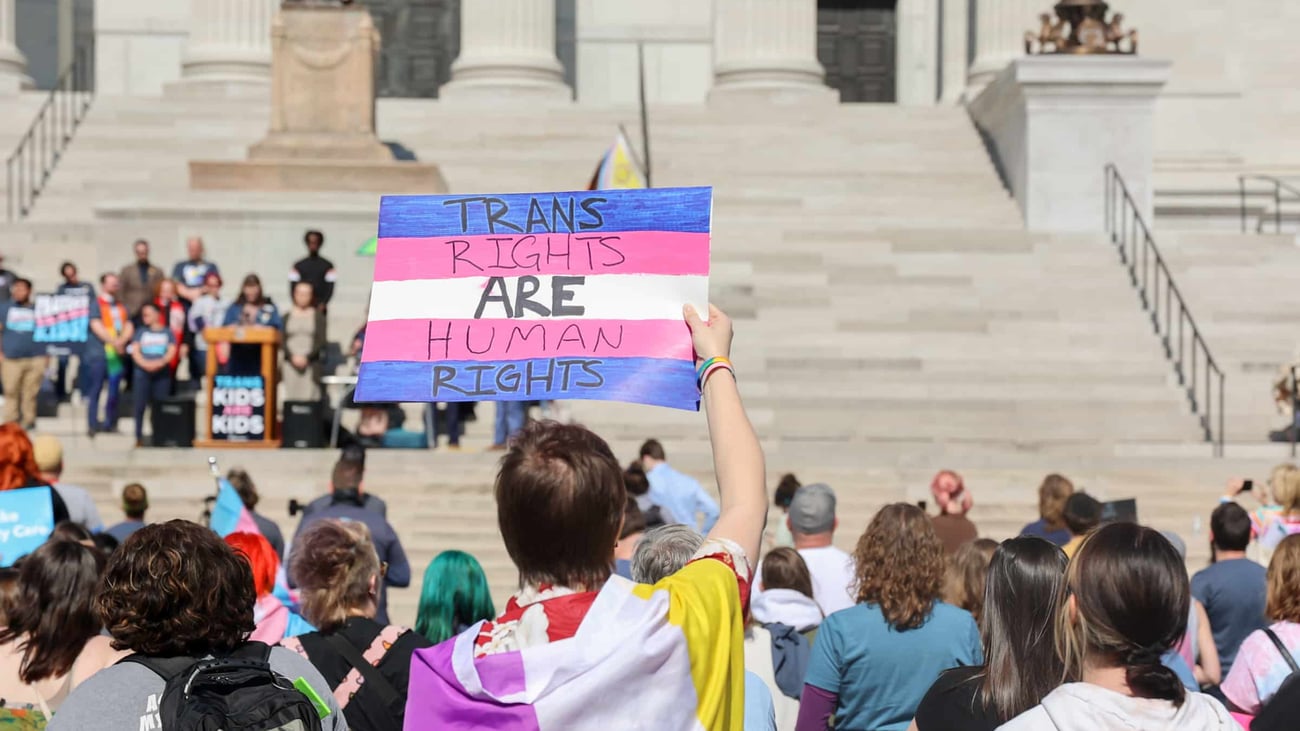
Two licensed counselors are challenging conversion therapy bans enacted by Kansas City and Jackson County, Missouri, arguing the ordinances violate their First Amendment rights. The case is now pending before the United States Court of Appeals for the Eighth Circuit.
The counselors assert that local regulations prohibiting sexual orientation and gender identity change efforts on minors restrict their ability to provide counseling services based on their professional judgment and personal beliefs. They claim the bans prevent them from offering therapeutic guidance that clients or parents request, even when working with willing participants.
Kansas City and Jackson County passed their ordinances to protect minors from practices the medical and psychological communities widely recognize as harmful and ineffective. Major health organizations, including the American Medical Association and American Psychological Association, oppose conversion therapy for youth and document its connection to depression, anxiety, and suicide risk.
The Eighth Circuit faces a tension between protecting minors from potentially harmful practices and respecting practitioners' free speech interests. Courts have split on this issue nationally. Some have upheld conversion therapy bans as valid regulations of professional conduct rather than speech restrictions, reasoning that therapists' conduct during sessions falls outside First Amendment protection. Others have suggested bans may unconstitutionally burden expression when they prevent counselors from discussing certain viewpoints.
The case raises questions about the scope of professional regulation versus constitutional protections. Regulatory boards can limit what licensed practitioners do without violating free speech, but courts scrutinize content-based restrictions more carefully. The Eighth Circuit must determine whether Missouri's local bans primarily regulate professional conduct or suppress particular messages about sexual orientation and gender identity.
The outcome affects how cities and states can protect minors through professional licensing restrictions while respecting practitioners' constitutional claims. A ruling favoring the counselors could undermine similar bans across the Eighth Circuit's jurisdiction. A decision upholding the ordinances would strengthen local authority to restrict harmful practices targeting vulnerable youth.