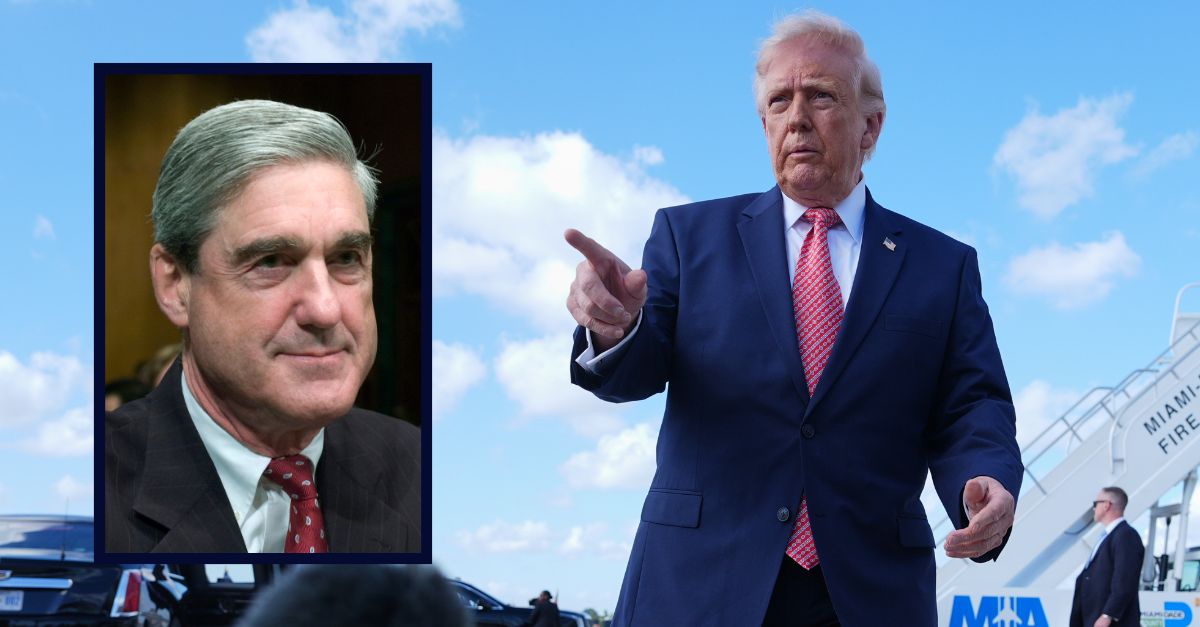
The Trump Department of Justice has mounted an aggressive defense of executive orders targeting law firms, arguing in court that the orders must proceed even if doing so undermines MAGA-aligned attorneys and their interests.
The DOJ returned to litigation to insist the executive orders governing law firm operations remain in effect. Legal observers noted the government's stance struck an unusual posture, prioritizing the orders' enforcement over protecting lawyers aligned with Trump's political movement.
The defense strategy appeared counterintuitive to some court observers. A lawyer opposing the government position remarked, "I don't think you want to open that door," signaling concern that the DOJ's broad constitutional theory could produce unintended consequences for Republican-aligned legal practitioners.
The executive orders in question establish new requirements or restrictions affecting how law firms operate. The specific scope remains disputed, but the DOJ contends the president possesses authority to issue them. The government's legal argument rests on expansive executive power doctrine.
Attorneys representing entities challenging the orders flagged a potential boomerang effect. They suggested that accepting the DOJ's reasoning could establish precedent harmful to conservative legal interests if a future administration applies identical logic. The government appeared willing to accept that risk to defend Trump's current directives.
The litigation reflects broader tension within Trump's legal ecosystem. Some MAGA allies have expressed concerns that certain executive actions, while ideologically aligned, create legal exposure for movement figures. Others view them as necessary exercises of presidential authority.
Courts will ultimately determine whether the orders survive judicial review. The DOJ's aggressive posture signals the administration prioritizes the orders' substance over protecting friendly legal actors from downstream effects. This positioning has created awkward dynamics where Trump allies simultaneously want the orders enforced while worrying about their implications.
The case illustrates how executive power disputes can pit policy outcomes against institutional self-interest, even among political allies.