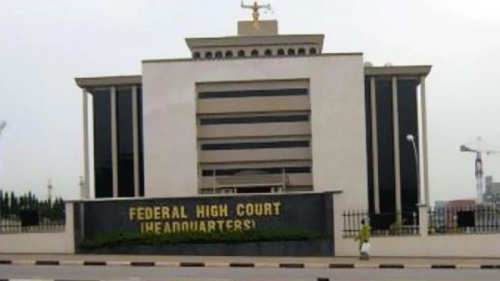
Justice Joyce Abdulmalik of Nigeria's Federal High Court in Abuja accelerated the trial timeline for six defendants accused of plotting to overthrow President Bola Tinubu's government. The court scheduled trial proceedings and bail hearings for April 29, 30, May 4, and May 5.
The accelerated hearing represents a significant procedural shift in the high-profile case. Federal High Court judges typically control trial pacing, and Abdulmalik's decision to compress the pretrial and bail hearing schedule reflects the gravity courts assign to sedition allegations. The defendants face charges related to alleged conspiracy against the sitting administration, one of the most serious criminal accusations in Nigeria's legal system.
The timing matters for the suspects. Bail applications will proceed alongside initial trial proceedings rather than sequentially, potentially expediting their release from custody if the court grants bail. Under Nigerian criminal procedure, bail remains discretionary in cases involving national security threats. Defendants bear the burden of demonstrating they present no flight risk and pose no danger to public order. The accelerated calendar forces both prosecution and defense to prepare evidence and arguments rapidly.
The Federal High Court's jurisdiction over the matter reflects the offense's classification as a federal crime attacking state stability. These charges typically invoke provisions of Nigeria's Criminal Code addressing treason and conspiracy. Conviction carries severe penalties including lengthy imprisonment.
The case carries broader implications for Nigeria's political climate and rule of law. High-profile prosecutions of coup plotters test judicial independence and adherence to due process protections. The accelerated hearing demonstrates the court's commitment to swift adjudication while maintaining procedural fairness through simultaneous bail consideration.
The defendants' legal teams now operate under compressed deadlines to file bail applications, challenge evidence admissibility, and prepare defense strategies. The prosecution must present its case rapidly across four hearing days. Justice Abdulmalik's schedule prioritizes moving the