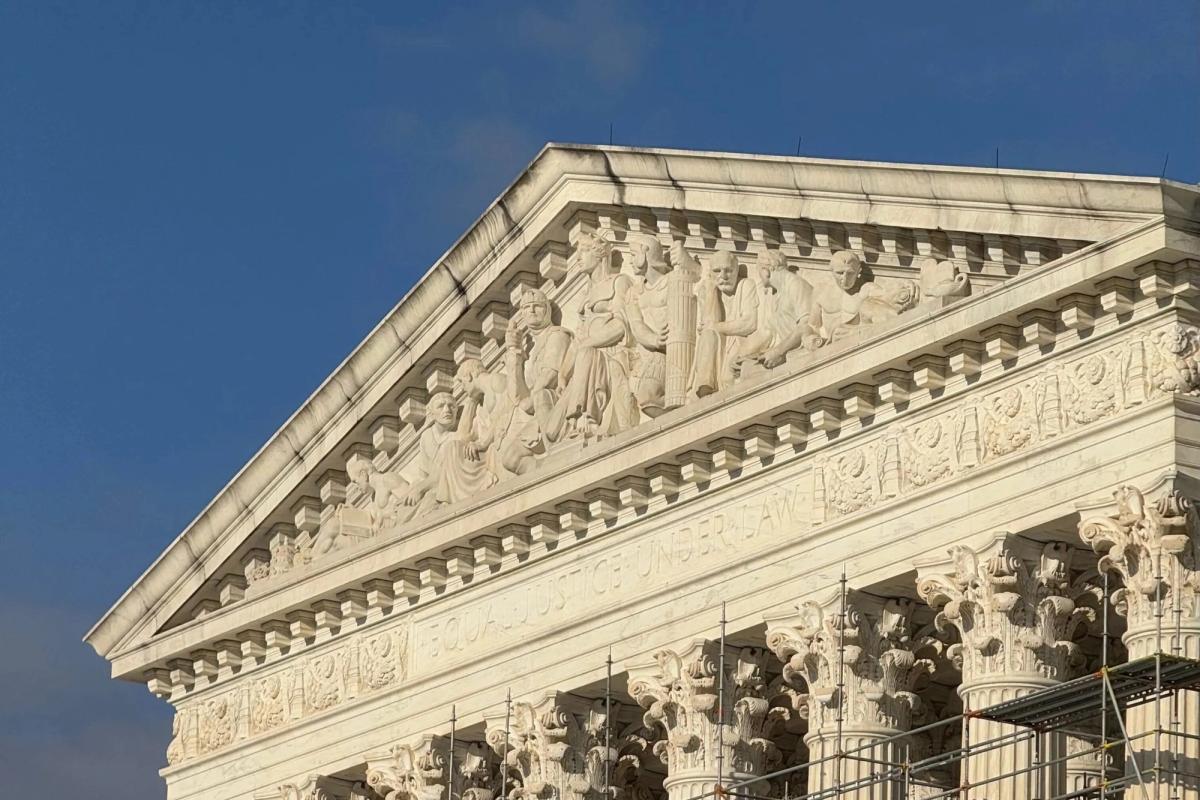
# Trump's Tariffs and Constitutional Free Speech Doctrine Under Supreme Court Scrutiny
The Supreme Court's docket now includes challenges to tariff policy alongside ongoing examination of true threat doctrine under the First Amendment. Trade disputes and speech protections represent two distinct but equally consequential areas of constitutional law currently before the justices.
Tariff challenges invoke the Commerce Clause and presidential authority under the International Emergency Economic Powers Act. Plaintiffs argue that unilateral tariff imposition exceeds executive power and violates statutory limits on presidential action. The Court must determine whether tariffs imposed on national security grounds survive rational basis review or demand heightened scrutiny. Companies importing affected goods face immediate compliance costs and supply chain disruption while litigation proceeds.
The true threat doctrine, rooted in Virginia v. Black (2003), defines criminal speech protection boundaries. A true threat occurs when a speaker communicates intent to commit unlawful violence to a particular person or group. The doctrine separates protected political speech from criminal intimidation. Recent cases test whether hyperbolical statements, conditional threats, or statements made in artistic or satirical contexts qualify as true threats.
Courts currently apply a reasonable person standard, asking whether a reasonable person would interpret the statement as conveying genuine intent to commit violence. This creates tension with speakers claiming rhetorical exaggeration or protected hyperbole. Lower courts have split on whether online statements receive different treatment than in-person threats or whether platform context matters for interpretation.
These doctrines converge in practical importance. Tariff authority determines economic policy for millions of businesses and consumers. True threat doctrine policing determines what speech remains protected as political expression versus prosecutable intimidation.
The Supreme Court's handling of tariff challenges establishes precedent for executive power scope. Its true threat decisions reshape criminal liability for speech, affecting everyone from political commentators to social media users. Both areas demand the Court balance competing interests—executive