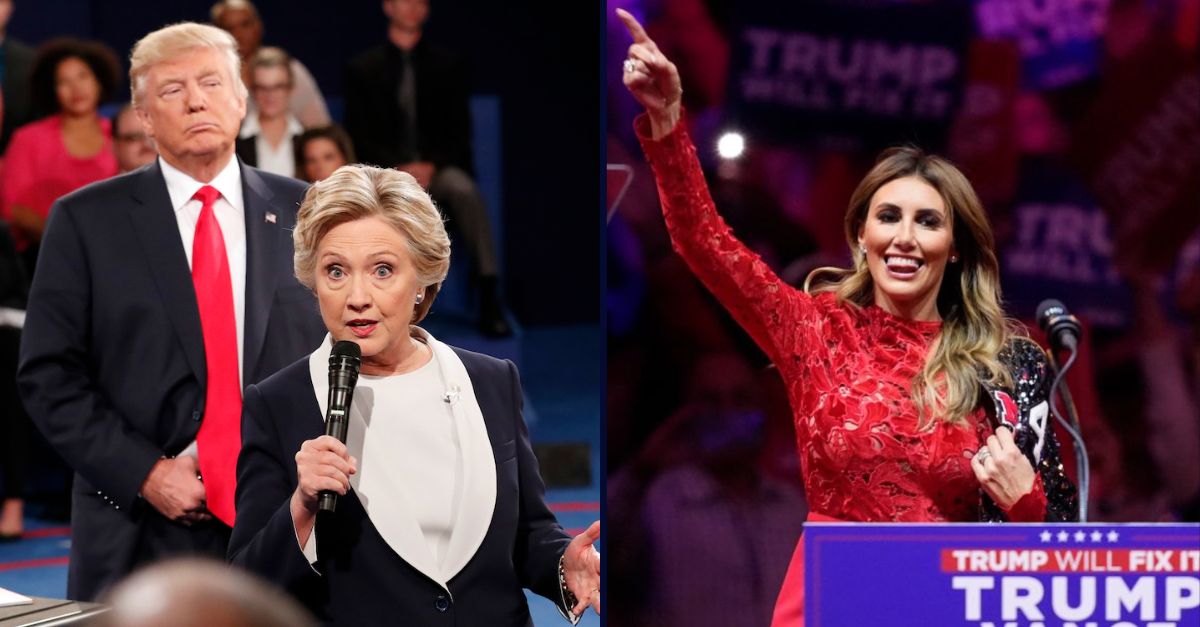
The Eleventh Circuit Court of Appeals rejected former President Donald Trump's request for a full panel rehearing of his Racketeer Influenced and Corrupt Organizations Act lawsuit against Hillary Clinton. No judge on the court, despite half the panel consisting of Trump appointees, voted to reconsider the case.
Trump filed the RICO lawsuit alleging Clinton engaged in a criminal conspiracy to harm his 2016 presidential campaign. The original three-judge panel dismissed the case as frivolous, finding Trump failed to allege facts supporting a civil RICO claim. The decision emphasized that the lawsuit lacked plausible allegations of predicate acts necessary under the Racketeer Influenced and Corrupt Organizations Act, 18 U.S.C. Section 1962.
Trump's legal team requested en banc rehearing before all active judges of the Eleventh Circuit. This request allows parties to challenge panel decisions before a larger group of jurists. The court denied the petition without a single judge requesting oral argument or suggesting the original ruling warrant reconsideration.
The rejection carries practical implications for Trump's litigation strategy. RICO claims against political opponents face stringent pleading requirements. Plaintiffs must plead specific facts showing predicate acts, a pattern of racketeering activity, and injury to business or property. Trump's allegations failed to meet these statutory requirements.
The outcome also reflects judicial skepticism toward politically motivated lawsuits. Courts consistently dismiss RICO claims lacking factual specificity and proper allegations of underlying criminal conduct. The unanimity among Eleventh Circuit judges, regardless of their appointing presidents, signals agreement on the legal deficiencies.
Trump has pursued multiple lawsuits against Clinton and Democratic figures relating to his 2016 campaign. Federal courts have dismissed these cases on various grounds, including lack of standing, failure to state a claim, and absolute immunity. The Eleventh Circuit's denial