# Religious Preschools and State Mandates: A Constitutional Question
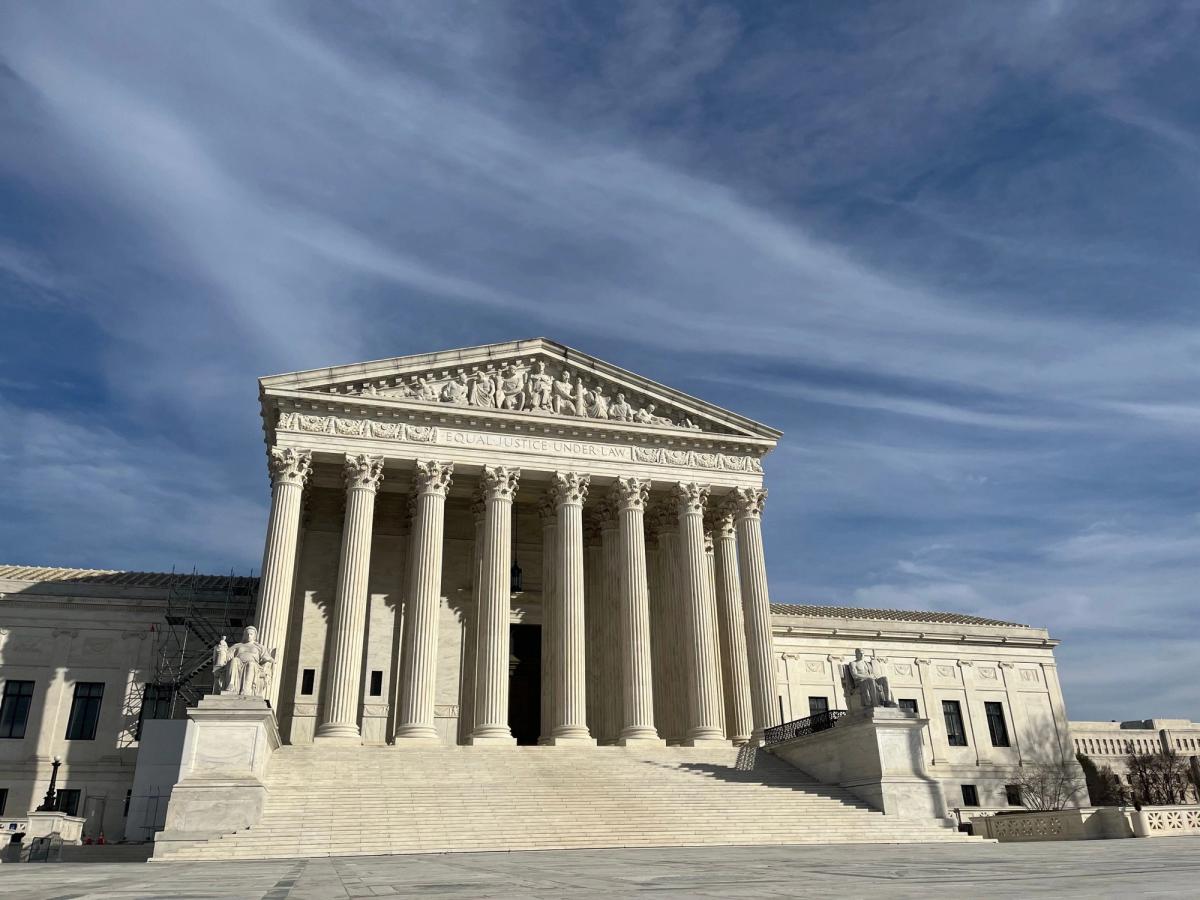
A constitutional challenge now reaches the courts over whether states can compel religious preschools to promote beliefs outside their faith tradition.
The dispute centers on a core free exercise tension. Religious institutions argue that government mandates requiring them to affirm or promote competing religious viewpoints violate the First Amendment's protections for religious liberty and free speech. State officials counter that non-discrimination laws serve compelling interests in protecting students from exclusion based on religion, sexual orientation, or other characteristics.
The practical stakes matter for thousands of faith-based early childhood programs nationwide. Many religious preschools operate under doctrinal constraints that shape curriculum, hiring, and messaging. A requirement to actively promote alternative religious frameworks or viewpoints—rather than merely tolerate them—creates a direct collision between institutional autonomy and equality mandates.
Courts have wrestled with related questions in education contexts. The Supreme Court's decision in *Kennedy v. Bremerton School District* (2022) strengthened free speech protections for religious expression in public schools. That ruling shifted doctrine toward greater protection for individual religious speakers. The question here concerns institutional religious entities and their programmatic obligations.
Different circuits may reach different conclusions. Some courts emphasize that religious institutions choosing to participate in state-regulated programs accept certain conditions. Others stress that compelled speech and compelled promotion of disfavored beliefs trigger strict scrutiny even for religious organizations receiving public benefits or operating in regulated sectors.
The outcome depends partly on whether courts view the obligation as neutral non-discrimination enforcement or as targeted compulsion of religious speech. It also hinges on the scope of religious liberty protections after recent doctrinal shifts favoring religious claimants.
Religious schools and civil rights advocates watch closely. Religious schools fear losing institutional control over religious education. Civil rights organizations worry that religious liberty arguments may erode protections for vulnerable students.