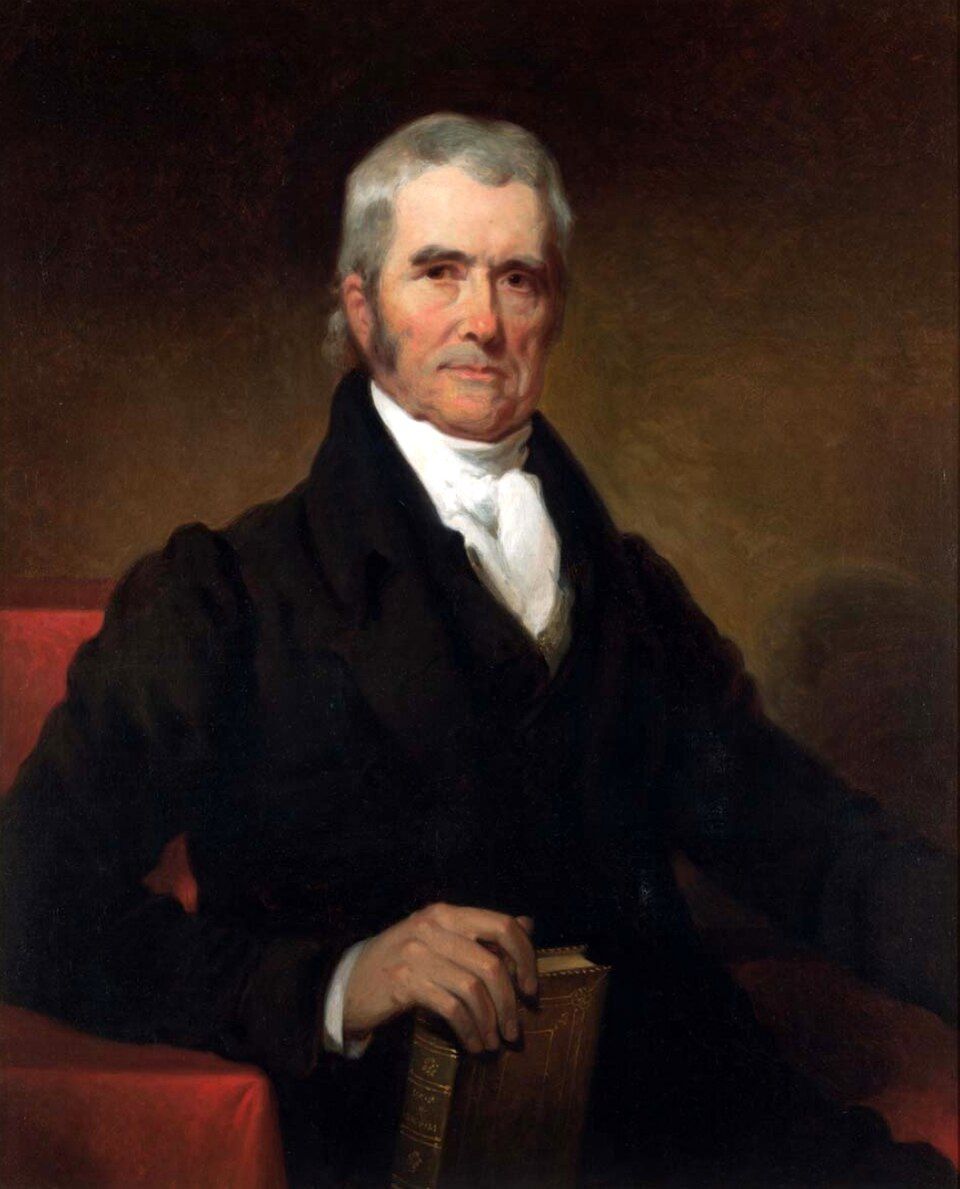
# A Brief Guide to Each Chief Justice of the United States
The United States has had 17 chief justices since the nation's founding, each reshaping the Supreme Court's role in American governance. John Jay, the first Chief Justice, served from 1789 to 1795 and established foundational precedents for judicial review and the Court's independence.
The longest-serving chief justice was Roger Taney, who held office for 28 years until 1864. Taney authored the Dred Scott decision, which denied citizenship to enslaved persons and became one of the most reviled rulings in Supreme Court history.
John Marshall, Chief Justice from 1801 to 1835, fundamentally transformed judicial power through Marbury v. Madison, which established that courts could strike down unconstitutional laws. This doctrine of judicial review remains the foundation of constitutional law today.
Later chief justices navigated different eras. Earl Warren, serving from 1953 to 1969, led the Court during its most expansive civil rights era, authoring Brown v. Board of Education and presiding over cases that expanded criminal defendants' rights and free speech protections.
William Rehnquist, Chief Justice from 1986 to 2005, brought a textualist approach to the Constitution and championed federalism doctrines that limited federal power. His successor, John Roberts, has served since 2005 and authored the pivotal decisions upholding the Affordable Care Act while narrowing voting rights protections under the Voting Rights Act.
Each chief justice leaves an institutional legacy that shapes constitutional interpretation for decades. The chief justice role combines administrative responsibilities as head of the federal judiciary with substantial influence over the Court's docket and decision-making trajectory. Understanding each chief justice's jurisprudence reveals how the Supreme Court's constitutional vision has evolved across American history,