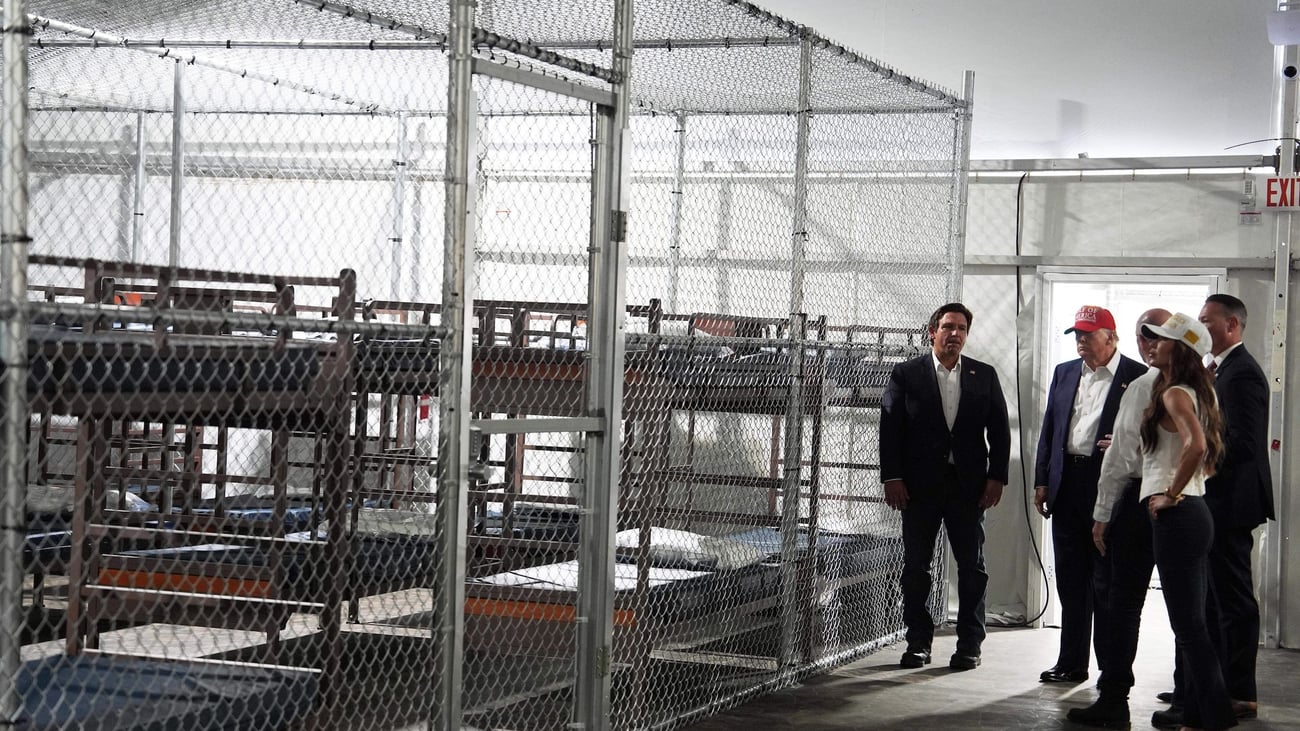
A three-judge panel of the United States Court of Appeals for the Sixth Circuit ruled that the Trump administration's detention policy violates the constitutional rights of immigrants with established community ties and clean legal records.
The court distinguished between two classes of immigrants: those detained at the border versus those arrested in the interior. The panel held that law-abiding residents with deep community connections receive stronger Fifth Amendment protections against prolonged detention without individualized hearings on their release eligibility.
The Sixth Circuit panel rejected the administration's blanket detention approach. The court found that immigration officers cannot automatically detain immigrants based solely on their legal status. Instead, the government must conduct prompt hearings to assess whether each person poses a flight risk or public safety threat before holding them.
The ruling addresses a longstanding tension in immigration law. The Supreme Court has granted immigration officials broad detention authority at the border under 8 U.S.C. Section 1225. However, the Sixth Circuit reasoned that immigrants who have lived in the United States, established employment, and built family networks occupy a different legal position than individuals encountered at entry points.
The decision creates binding law within the Sixth Circuit's jurisdiction, which covers Kentucky, Michigan, Ohio, and Tennessee. The ruling likely influences detention practices across federal immigration enforcement. Immigration and Customs Enforcement (ICE) and Customs and Border Protection (CBP) may face challenges to similar policies in other circuits.
The panel's reasoning rests on the principle that constitutional protections strengthen as immigrants embed themselves in American communities. A person with a job, family members, property ownership, and years of residence faces a different calculus than someone apprehended immediately upon crossing the border.
The decision does not eliminate detention authority entirely. Officials retain the power to hold immigrants pending removal proceedings. The ruling simply requires that detention decisions must rest on individualized assessments rather than categorical rules. Immigration judges and ICE officials