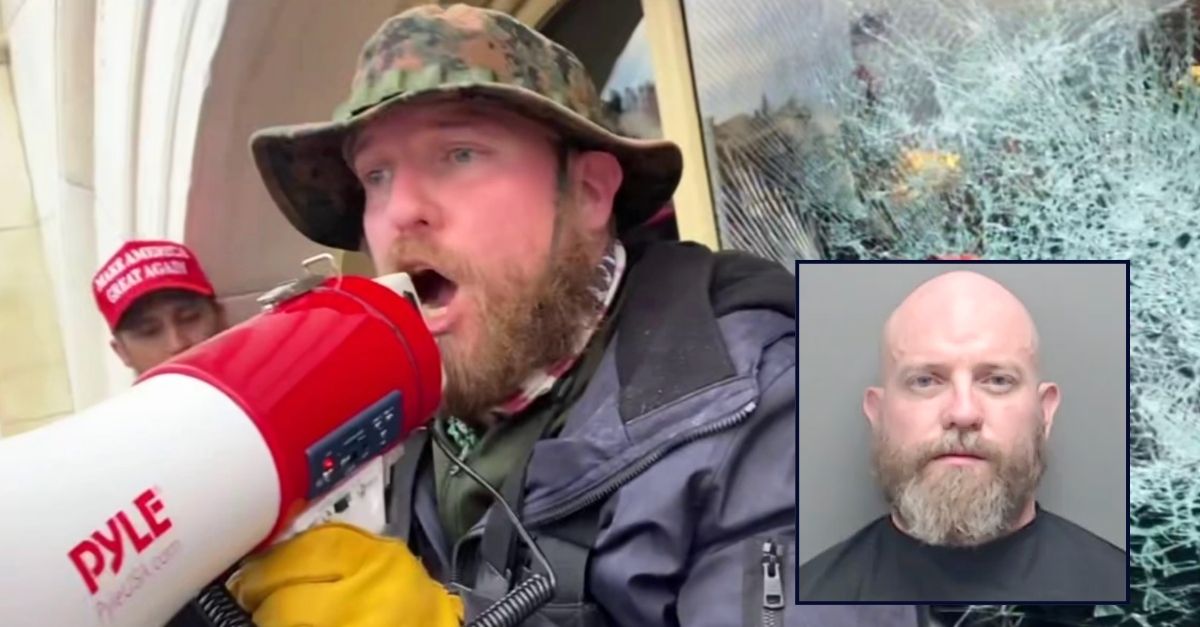
A Texas resident pardoned by President Trump for participating in the January 6 Capitol riot faces new criminal charges after police arrested him for allegedly threatening a churchgoer with a firearm.
The defendant, who previously claimed to have "completely changed" since the 2021 attack, confronted the victim outside a church while the victim was placing a child in a vehicle. According to police reports, the defendant brandished a gun during the encounter while the victim held a Bible.
The incident undercuts the defendant's stated rehabilitation narrative. During his January 6 case, he had emphasized personal transformation and reform to justify his pardon eligibility. Trump issued a broad pardon for Capitol riot participants on his first day back in office in 2025, extending clemency to dozens of defendants convicted or charged in connection with the attack.
This arrest demonstrates the legal complications arising from Trump's sweeping pardon power. Federal pardons extinguish convictions for the underlying offenses but do not shield recipients from subsequent criminal conduct. The defendant now faces separate state-level criminal charges for the alleged gun threat, which fall outside the scope of his federal pardon.
The incident carries implications for how courts and prosecutors handle individuals receiving executive clemency. While a pardon erases the conviction record, it does not erase the underlying conduct or alter the individual's legal responsibilities going forward. Any subsequent charges proceed independently.
This case also raises questions about the vetting process for Capitol riot pardons. The defendant's previous claims of rehabilitation now appear contradicted by the alleged threatening behavior. Law enforcement will need to investigate the circumstances of the church parking lot incident and determine charges under applicable state weapons and threat statutes.
The defendant remains in custody pending bail hearings. Prosecutors will likely argue against release given both the seriousness of brandishing a firearm and the defendant's prior involvement in major federal criminal activity.