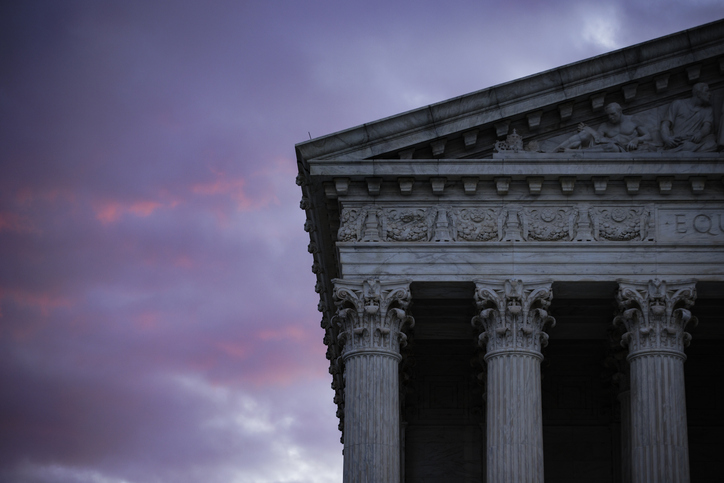
John Oliver's HBO show "Last Week Tonight" recently dedicated a segment to the Supreme Court's shadow docket, the emergency or expedited proceedings through which justices issue rulings with minimal explanation. Oliver's explanation of the shadow docket reportedly consumed more time and detail than the Supreme Court itself provides when announcing these consequential decisions.
The shadow docket operates outside the Court's regular oral argument process. Cases reach the shadow docket through emergency applications, stay requests, and other expedited filings. Justices rule on these matters through unsigned orders or brief opinions that often lack the thorough reasoning found in formally docketed cases. This opacity has drawn scrutiny from legal scholars, lower court judges, and watchdog groups.
The practical effect matters enormously. Shadow docket rulings have blocked enforcement of voting restrictions, halted executions, and limited pandemic-related mandates. Federal judges and lower court litigants operate without clear precedent or rationale. When the Supreme Court issues an unsigned order blocking an abortion restriction or upholding one, litigants nationwide lack guidance on the Court's reasoning or the scope of its holding.
Critics argue the shadow docket inverts traditional appellate procedure. Regular cases receive full briefing, oral argument, and published opinions explaining the law. Shadow docket decisions bypass these safeguards while still binding lower courts and affecting millions of Americans. Justices have issued shadow docket rulings affecting voting access, healthcare policy, and criminal procedure with explanations spanning paragraphs rather than pages.
The Supreme Court has resisted calls for greater transparency. Chief Justice John Roberts and other justices defend the emergency docket as necessary for urgent matters. They note that shadow docket rulings do not set binding precedent in the traditional sense. Yet lower courts struggle to apply precedent from cases explained only through cryptic one-sentence orders.
Oliver's segment highlights a structural problem in modern Supreme Court practice