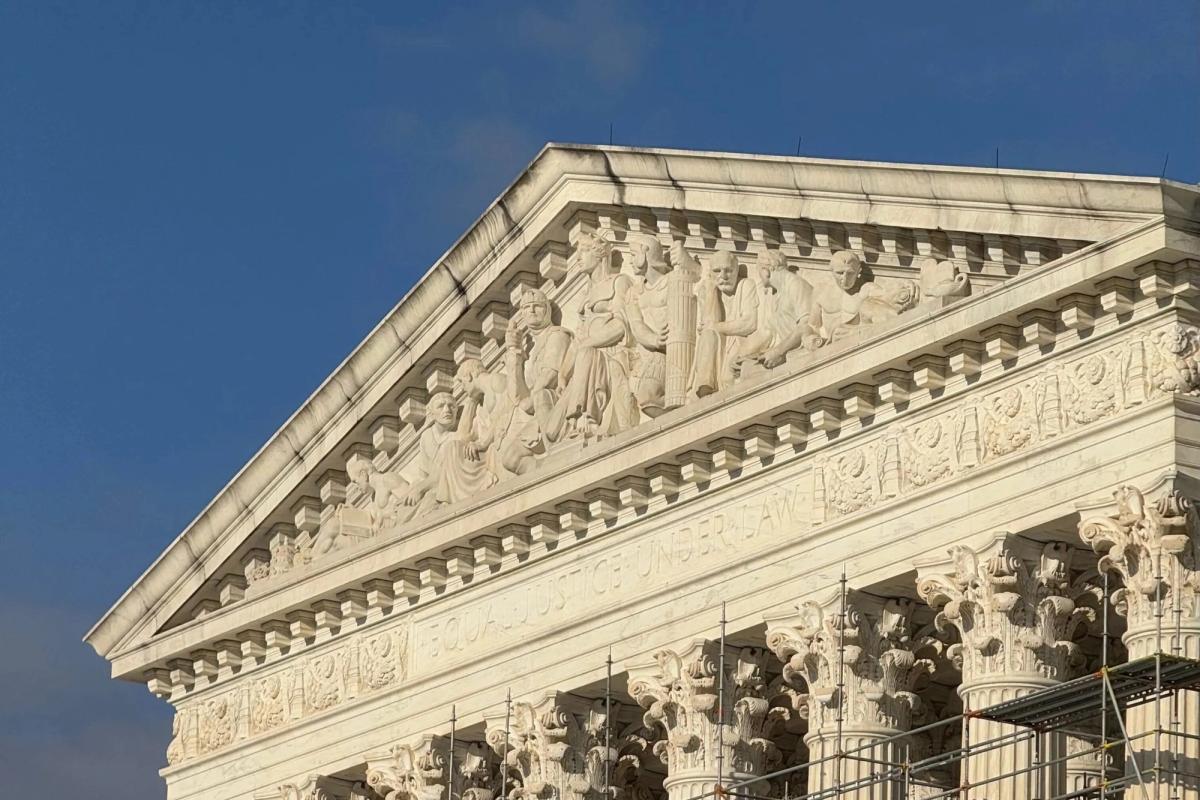
The Supreme Court has navigated competing redistricting disputes while Justice Samuel Alito broadened protections for medication abortion access.
In the redistricting matter, the Court addressed whether lower courts properly applied existing precedent in evaluating congressional district maps. The case centers on whether mapmakers complied with the Voting Rights Act and constitutional requirements for equal representation. One redistricting battle reached resolution, but a second dispute remains pending before the justices, suggesting ongoing tension over how states must draw district lines and whether partisan or racial gerrymandering crossed legal boundaries.
Justice Alito's order extended his prior decision regarding access to mifepristone, the drug used in medication abortion protocols. The order maintains temporary relief that allows continued mailing of the abortion pill while the underlying litigation proceeds. This represents Alito's continued willingness to preserve the status quo in abortion medication cases, even as the Court faces broader questions about FDA authority over mifepristone approval and distribution.
The redistricting cases carry direct implications for the 2024 election cycle. States must finalize district lines before elections occur, creating time pressure on judicial decision-making. A delay in final rulings forces either premature implementation of challenged maps or last-minute redrawing. Lower courts nationwide have grappled with applying the Supreme Court's 2019 Rucho v. Common Cause decision, which held that partisan gerrymandering claims present nonjusticiable political questions. However, racial gerrymandering claims remain actionable under the Voting Rights Act.
The medication abortion order affects patients and providers across the country. Mifepristone accounts for roughly 63 percent of all abortions in the United States. Maintaining mail access removes barriers in states with restrictive abortion laws, allowing residents to obtain medication through telehealth providers in other jurisdictions. The temporary extension preserves the ability to obtain the