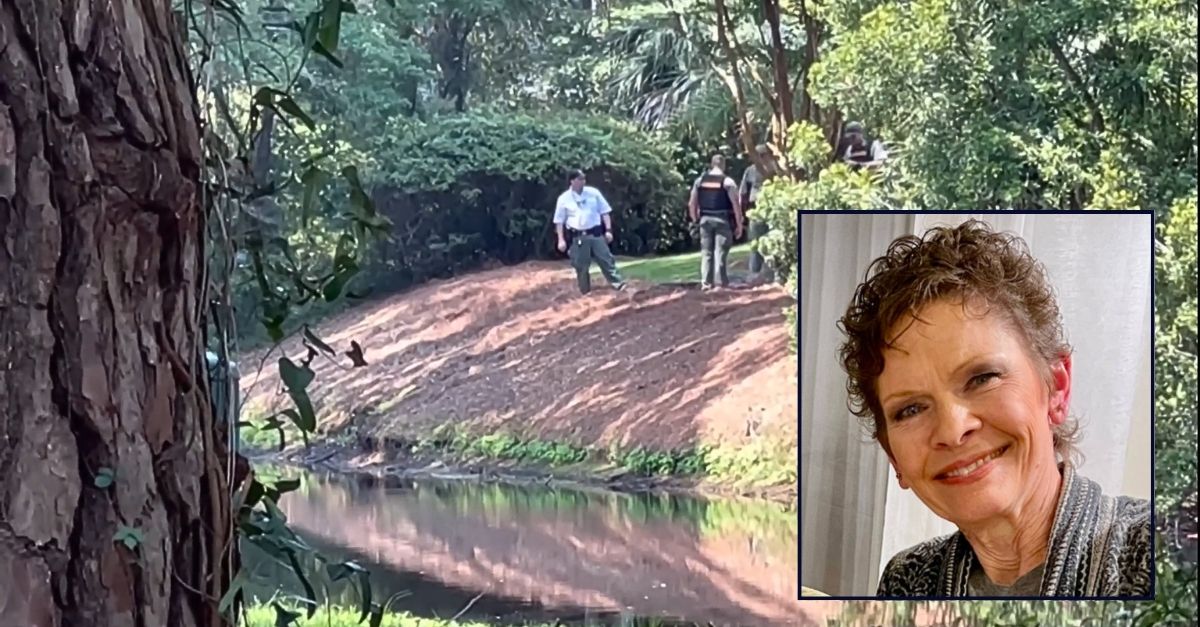
A South Carolina grandmother died after a 10-foot alligator attacked her while she walked her dog in a private residential community. Her family filed suit against the community, alleging that management had promised residents protection from alligator attacks but failed to implement any safety measures.
The lawsuit centers on breach of duty. The private community marketed itself as a safe residential enclave and represented to homeowners that management would protect them from wildlife hazards. According to the complaint, the community made "no effort" to fulfill that obligation. Management did not install warning systems, barriers, or traps to mitigate alligator risk despite knowing that dangerous wildlife frequented the property.
South Carolina law imposes a duty of reasonable care on property owners toward residents and guests. Private communities have heightened obligations when they explicitly promise specific safety protections. By representing that residents would be protected from alligator attacks, the community created a legal duty to take reasonable steps to prevent such incidents. The failure to act despite that promise constitutes negligence and breach of contract.
The family's claim rests on demonstrable harm. The fatal attack resulted in the grandmother's death, which provides the foundation for wrongful death damages. Families can recover economic losses including medical expenses and funeral costs, plus non-economic damages for pain, suffering, and loss of companionship.
Alligator attacks in Florida and South Carolina remain rare but serious. Property owners in states with significant alligator populations face increasing litigation over wildlife management. Courts have held that communities cannot simply ignore known hazards, particularly when they affirmatively promise protection.
This case reflects broader liability exposure for private communities and property managers. Courts expect property owners to match their marketing claims with actual safety measures. A community that promises protection from specific dangers but provides none faces substantial damages exposure.
The lawsuit signals that families of victims will pursue compensation aggressively when private communities breach explicit safety commitments. Property