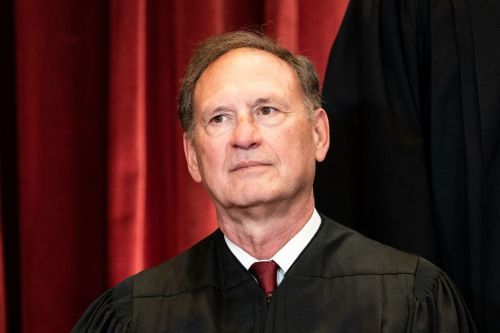
Justice Samuel Alito disclosed details about his approach to oral arguments, judicial security concerns, and his opinion-writing methodology during recent remarks. The Supreme Court Justice emphasized that oral arguments remain central to the Court's decision-making process, despite criticism that justices have become more ideologically fixed before hearing cases.
Alito addressed the ongoing debate about whether justices truly listen during oral arguments or arrive with predetermined positions. He argued that oral arguments still influence judicial thinking and provide opportunities for counsel to raise novel points that shape final opinions. The Justice noted that advocates occasionally present arguments that shift the Court's analytical framework on specific legal questions.
On judicial security, Alito expressed concern about threats facing the federal judiciary following the leak of a draft opinion in Dobbs v. Jackson Women's Health Organization in 2022. That leak preceded the Court's final decision overturning Roe v. Wade and triggered widespread protests outside justices' homes. Alito stated that enhanced security measures have become necessary to protect justices and their families from threats and harassment.
Regarding his writing process, Alito explained that he carefully considers language and precedent when drafting majority opinions. He emphasized the importance of clear exposition of legal reasoning and acknowledged the collaborative nature of opinion writing as justices circulate drafts and respond to proposed modifications from colleagues.
Alito's remarks come as the Supreme Court continues addressing questions about institutional transparency and security following the Dobbs leak and its aftermath. The Justice's comments reflect ongoing tensions within the federal judiciary regarding threat levels and operational procedures.
The Court has implemented additional security protocols and expanded protective details around justices' residences. Alito's discussion of these security measures underscores the practical challenges confronting the Court's institutional operations in an increasingly polarized political environment.