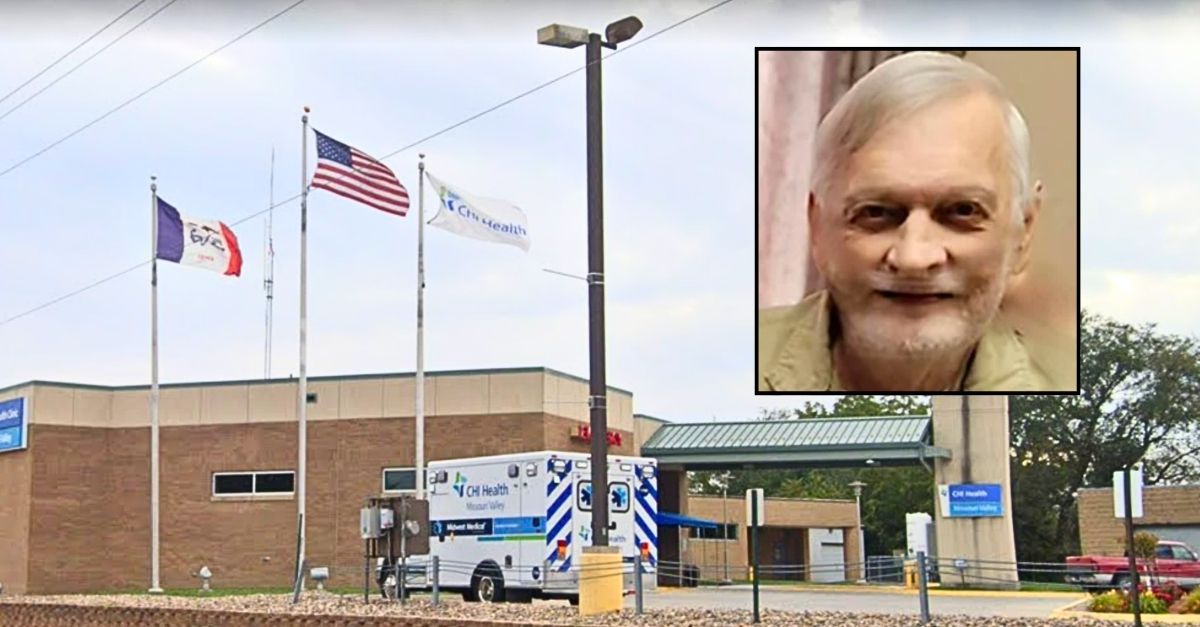
A lawsuit alleges that an Iowa hospital harvested organs, skin tissue, and eyes from a 69-year-old Air Force veteran without obtaining consent from the deceased or his daughters. The hospital allegedly made no attempt to secure authorization before proceeding with the organ and tissue recovery.
The case centers on violations of the Uniform Anatomical Gift Act (UAGA), the federal statute governing organ and tissue donation. Under UAGA, hospitals must obtain explicit consent from either the deceased individual (through advance directives) or authorized family members before harvesting organs or tissue. Consent requirements exist to protect individual autonomy and family interests in disposition of the body.
The daughters claim the hospital failed to contact them or seek their permission before the harvesting occurred. This conduct violates both state and federal law requiring reasonable efforts to identify and consult with authorized decision-makers. The hospital's alleged failure to even attempt notification strengthens claims of recklessness or intentional misconduct.
Legal liability for unauthorized organ and tissue procurement can include negligence, breach of fiduciary duty, and violation of state anatomical gift laws. Damages typically encompass emotional distress, loss of consortium, and statutory penalties under state donation laws. Some jurisdictions impose punitive damages when hospitals act with gross negligence or deliberate indifference to consent requirements.
This case reflects broader concerns about hospital procurement practices and oversight. The Organ Procurement and Transplantation Network (OPTN) enforces donation protocols, but enforcement gaps persist. Hospitals must document consent attempts in medical records, including identification of family members and documentation of notification efforts.
The lawsuit exposes systemic risks for families and deceased individuals' estates. Without rigorous consent procedures, hospitals can proceed with harvesting despite family objections or lack of authorization. The Air Force veteran's case highlights the need for strict adherence to statutory notification requirements and documented consent processes before any organ or tissue