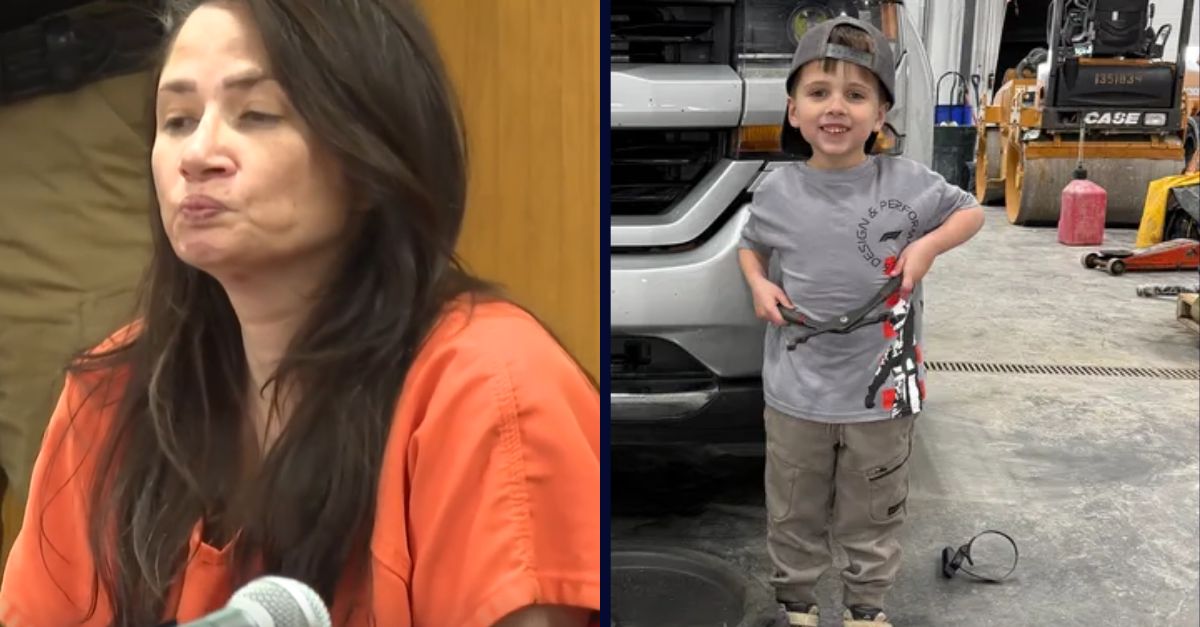
A Montana woman faces homicide charges after allegedly suffocating her 5-year-old son with a plastic bag. Deputies discovered the child's body in a bedroom after the mother led law enforcement to the location and disclosed what she had done.
The mother claimed she killed her son to "save him because things would have only gotten so much worse," according to court filings and police reports. She reportedly placed a plastic bag over the child's head, resulting in asphyxiation. The precise timeline and circumstances surrounding the child's death remain under investigation by local law enforcement and prosecutors.
This case falls under Montana's homicide statutes, which distinguish between deliberate homicide, mitigated deliberate homicide, and negligent homicide based on the defendant's mental state and intent. The prosecution must establish that the mother acted with deliberate purpose or knowledge that her conduct would cause death. Her stated motivation about "saving" the child may factor into mental health evaluations and potential defense arguments regarding her mental state at the time of the offense.
The discovery of the child's body triggered mandatory reporting obligations under Montana child protection laws. Social services agencies typically become involved in such cases to examine whether prior welfare reports, custody arrangements, or protective measures existed. Schools, medical providers, or other mandated reporters may have documented concerns before the fatal incident.
The mother's immediate disclosure to police differs from cases where parents conceal evidence or delay reporting. This candor may influence charging decisions, potential plea negotiations, or sentencing considerations if conviction follows. Montana courts consider aggravating and mitigating factors during sentencing, including the defendant's mental health history, substance abuse, prior criminal record, and family circumstances.
Cases involving parental homicide of minor children generate enhanced scrutiny from appellate courts and child welfare oversight bodies. Prosecutors must prove the elements of the charged offense beyond reasonable doubt, including that the plastic bag asphyxiation caused