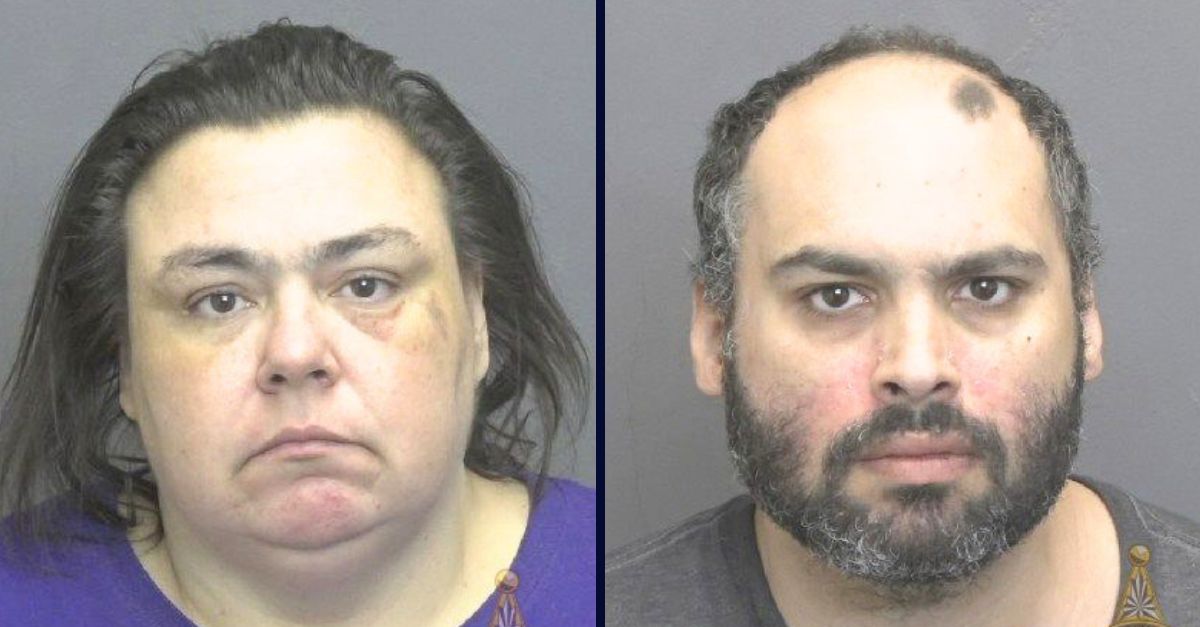
Two Indiana residents face charges after police discovered a vulnerable man confined in a severely neglected home with wounds so severe that blankets adhered to his feet.
Officers discovered the victim in conditions described as filthy and unsanitary. The extent of his injuries, combined with the deplorable living conditions, prompted authorities to initiate criminal proceedings against the man and woman accused of the abuse.
The victim's condition suggests prolonged neglect. Blankets becoming stuck to open wounds indicates either a complete absence of medical care or deliberate indifference to his suffering. Such facts typically support elder abuse or vulnerable adult abuse charges under Indiana law.
Indiana Code Section 35-42-2-1 addresses neglect of a dependent and carries penalties ranging from a Class A misdemeanor to a felony depending on whether the victim suffered serious bodily injury. If the victim experienced bodily injury that creates a substantial risk of death, prosecutors may charge a Class D felony. Willful torture or confinement elevates charges further.
Police likely obtained a warrant to enter the residence following a welfare check or tip from neighbors or family members. The condition of the home and injuries sustained will form the foundation of prosecutors' case. Medical examination documenting the victim's wounds, their severity, and duration proves essential to proving intent and causation.
The accused face potential conviction for elder abuse, neglect, confinement, and battery depending on final charges filed. If either defendant held a caretaker role, their legal obligations intensify, strengthening prosecution arguments.
For vulnerable adults without families monitoring their welfare, this case underscores the risks of isolation and dependency. Many jurisdictions require mandatory reporting of suspected elder abuse by healthcare workers, social service providers, and neighbors in certain situations. The specifics of how this victim came to live with the defendants and what triggered the police response will prove critical to understanding how to prevent similar cases.