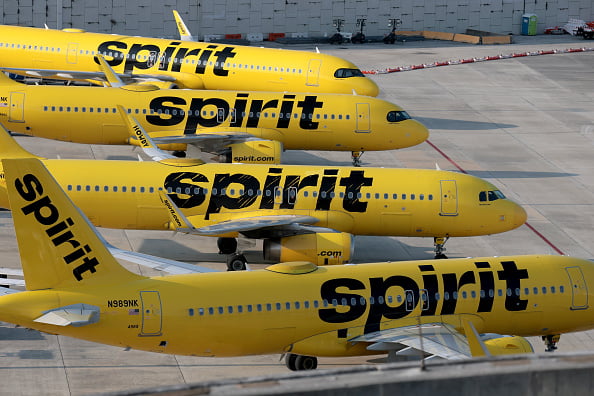
Spirit Airlines filed for Chapter 11 bankruptcy protection in November 2024, ending nearly two decades of operations as a low-cost carrier. The Fort Lauderdale-based airline ceased all flights and liquidated its assets after years of mounting losses, rising fuel costs, and failed merger attempts.
The airline's collapse carries legal and practical implications for consumers, creditors, and the aviation industry. Spirit passengers holding tickets face potential losses under federal bankruptcy law. The airline's assets, including aircraft and gate slots, moved through bankruptcy court processes. Creditors, including suppliers and employees, filed claims against the estate.
Spirit's demise reflects broader trends in airline consolidation and ultra-low-cost carrier economics. The carrier had attempted a merger with Frontier Airlines in 2022, but federal antitrust authorities challenged the deal under Section 7 of the Clayton Act. The Federal Trade Commission argued the combination would reduce competition and harm consumers. A federal judge blocked the merger in 2022, leaving Spirit without strategic options.
Labor disputes accelerated the carrier's decline. Flight attendants unionized in 2021, demanding higher wages. Pilots filed for union representation. These labor costs strained Spirit's razor-thin margins, typical of ultra-low-cost operators that relied on ancillary fees for revenue.
For consumers, the bankruptcy raises questions about passenger protections. The Department of Transportation provides limited safeguards for airline insolvency. Passengers holding nonrefundable tickets generally become unsecured creditors competing with employees and fuel suppliers.
The failure also affects the airports where Spirit operated as a major carrier. Fort Lauderdale, Las Vegas, and other hubs lost a significant air service provider. Competitors including Frontier, Southwest, and Alaska Airlines absorbed some routes.
The airline's closure demonstrates the risks of operating on exceptionally thin margins in a capital-intensive industry. While competitors survived the pandemic