# What Supreme Court Oral Arguments Reveal About This Term's Most Consequential Cases
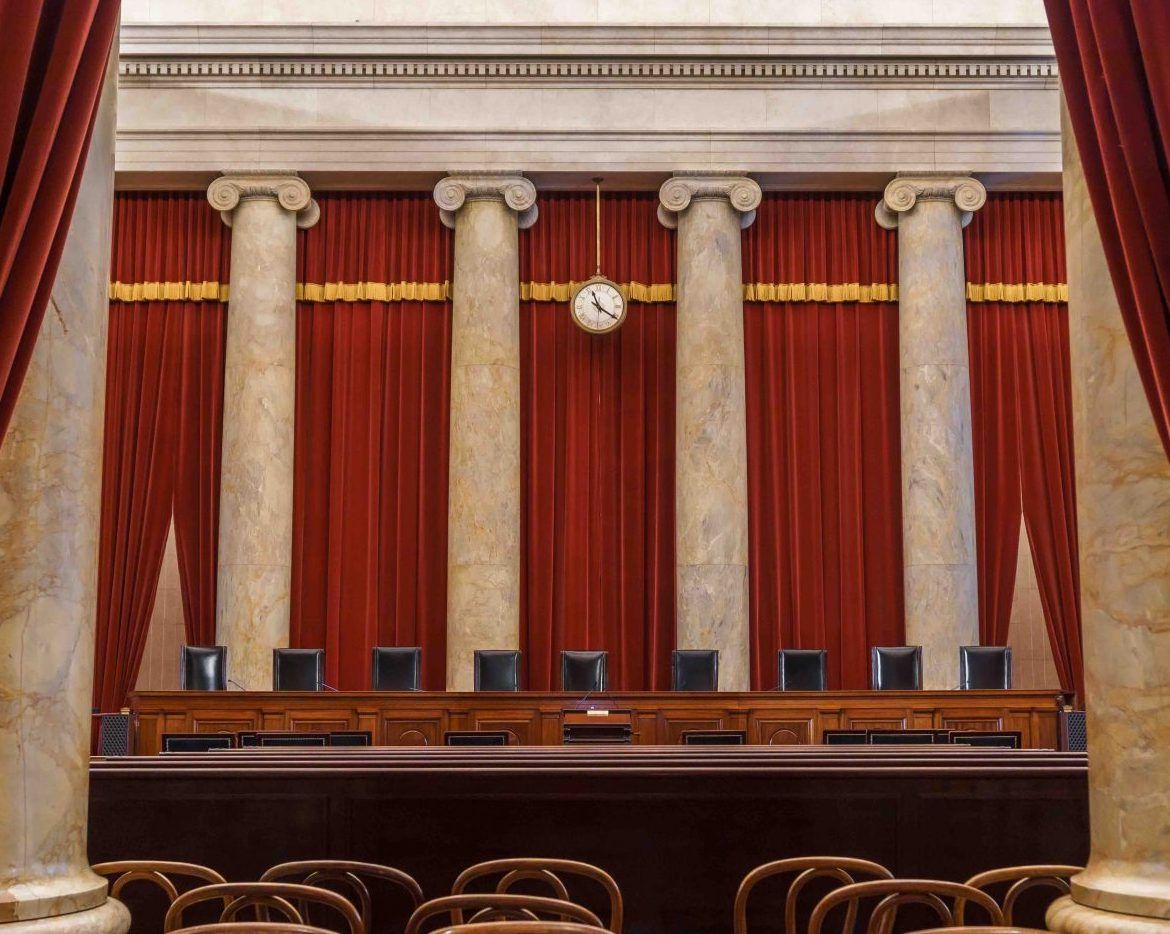
Attending oral arguments at the U.S. Supreme Court offers a window into how justices think about the cases before them. The questions posed during argument sessions often signal where the Court will land on contested legal issues, revealing fractures in the bench and the persuasive power of competing legal theories.
This term's oral arguments demonstrated several recurring patterns. Justices focused heavily on statutory interpretation in cases involving regulatory authority. They pressed both sides on the scope of administrative power and whether agencies exceeded their delegated authority under the Administrative Procedure Act. Conservative justices challenged government counsel repeatedly on deference doctrines, signaling skepticism toward Chevron-style judicial deference to agency interpretations.
In cases touching voting rights and ballot access, the bench showed deep divisions along ideological lines. Liberal justices emphasized practical concerns about voter suppression, while conservatives stressed textual limitations in the Voting Rights Act and constitutional federalism principles. These fault lines appeared especially sharp during arguments concerning state election administration authority.
Criminal procedure arguments revealed broad consensus on some issues, such as defendants' Sixth Amendment rights to meaningful counsel, while exposing genuine disagreement on prosecutorial discretion and sentencing.
The justices' questions also reflected their jurisprudential commitments. Originalist justices grounded queries in historical practice and text. Pragmatists emphasized real-world consequences. This term's arguments included notably sharp exchanges, suggesting the Court will issue fractured decisions on several fronts.
Observers who follow oral arguments closely gain predictive insight into forthcoming opinions. The tone, frequency, and intensity of questioning from specific justices often correlate with their eventual votes and the reasoning they adopt in written opinions. This term promises 5-4 and 6-3 splits on highly polarized questions of constitutional law.
THE TAKEAWAY