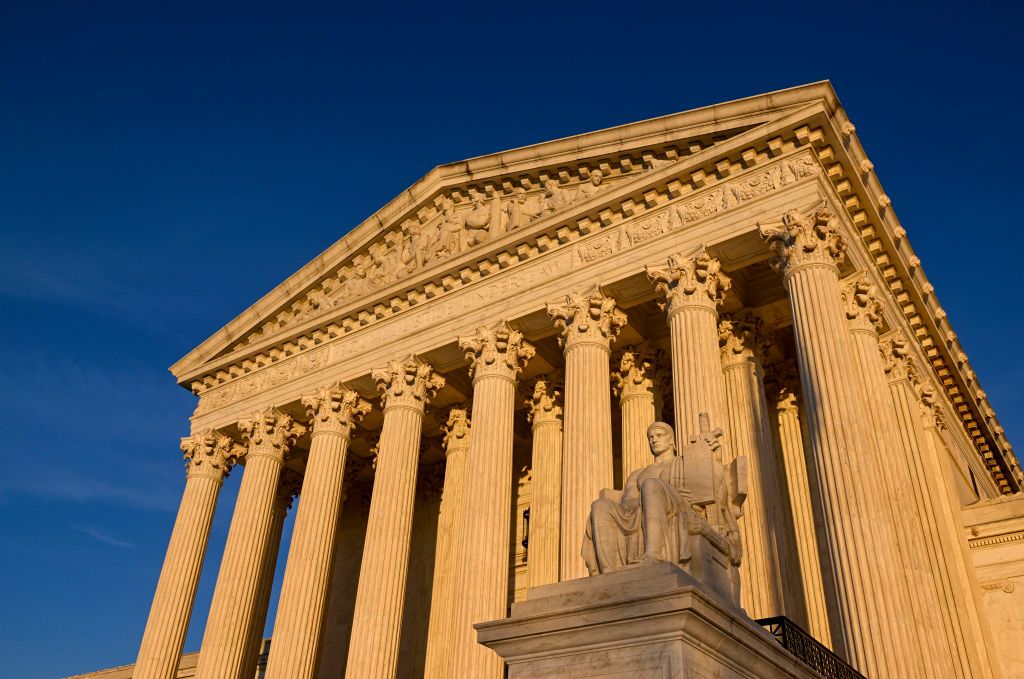
# Supreme Court Narrows Voting Rights Act Protections
The Supreme Court has restricted the application of the Voting Rights Act in a recent decision that fundamentally alters how courts assess discriminatory voting practices. The ruling raises the bar for plaintiffs challenging state and local election laws under Section 2 of the statute.
The Court held that plaintiffs must prove not only that a voting practice has a disparate impact on a protected class, but also that the jurisdiction adopted the practice with discriminatory intent. This standard mirrors the stricter test already applied in constitutional equal protection claims. Previously, courts applied a results-oriented test that focused on actual harm to minority voters regardless of intent.
The decision reshapes litigation strategy for voting rights advocates nationwide. Organizations challenging restrictive voter ID requirements, redistricting maps, and polling place closures now face a substantially higher evidentiary burden. They must demonstrate that state or local officials deliberately chose practices knowing they would disadvantage Black voters, Latino voters, or other protected groups. Circumstantial evidence of discriminatory motive may suffice, but direct proof becomes far more valuable in these cases.
States gain clearer authority to implement contested election policies without automatic legal vulnerability. Republican-controlled legislatures particularly benefit from this framework, as it permits election rules that produce disparate outcomes so long as lawmakers lacked explicit discriminatory purpose. The practical effect: fewer successful voting rights challenges in federal court.
Civil rights groups face a strategic pivot. They must invest more heavily in discovery to uncover documentary evidence and witness testimony revealing intent. Legislative deliberations, floor statements, and email correspondence from officials become central to case preparation. Some litigation may shift from federal courts, where intent standards prove difficult to satisfy, toward state courts or administrative venues offering alternative legal theories.
The ruling preserves the Voting Rights Act's structure but substantially weakens its enforcement mechanism. Section 2 remains available as a tool, but only when