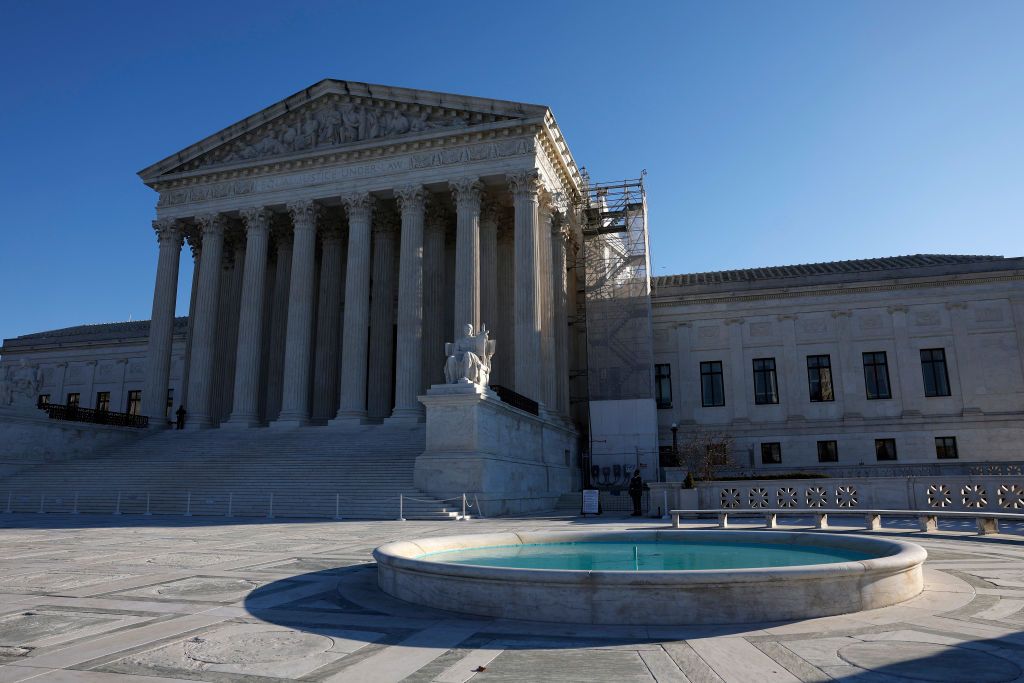
Alabama petitioned the U.S. Supreme Court to overturn a lower court ruling that struck down its congressional map as an unconstitutional racial gerrymander diluting Black voting power. The state seeks to reinstate the map for the 2024 elections.
A three-judge federal panel in Alabama ruled the state's congressional districts violated the Voting Rights Act by packing Black voters into fewer districts than warranted by their population, thereby reducing their influence across multiple seats. The court found the map cracked and packed Black communities to suppress their electoral power.
Alabama argues the lower court misapplied precedent and that the map reflects legitimate redistricting criteria, not racial discrimination. The state contends its districts serve legitimate partisan and geographic purposes. State officials claim the federal judges exceeded their authority by imposing a new map without giving Alabama adequate opportunity to remedy any defects.
Civil rights groups and voting rights advocates oppose the petition, asserting the evidence of intentional racial dilution is overwhelming. They argue Alabama packed approximately 57 percent of Black voters into two districts when their statewide population supports representation in three districts.
The case arrives at the Supreme Court amid ongoing debate over the Voting Rights Act's Section 2, which prohibits voting practices that discriminate on the basis of race. Recent Court decisions have limited how aggressively federal courts can police racial gerrymandering, giving states more deference in map-drawing.
A favorable ruling for Alabama could substantially weaken voting rights enforcement and embolden other states to pursue aggressive partisan maps with racial dimensions. It could also signal the Court's continued narrowing of voting protections under the VRA.
The Supreme Court's decision whether to accept the case will indicate its appetite for further restricting voting rights litigation in the redistricting context.
THE TAKEAWAY: Alabama's petition tests whether the Court will further curtail Section 2 enforcement and allow states