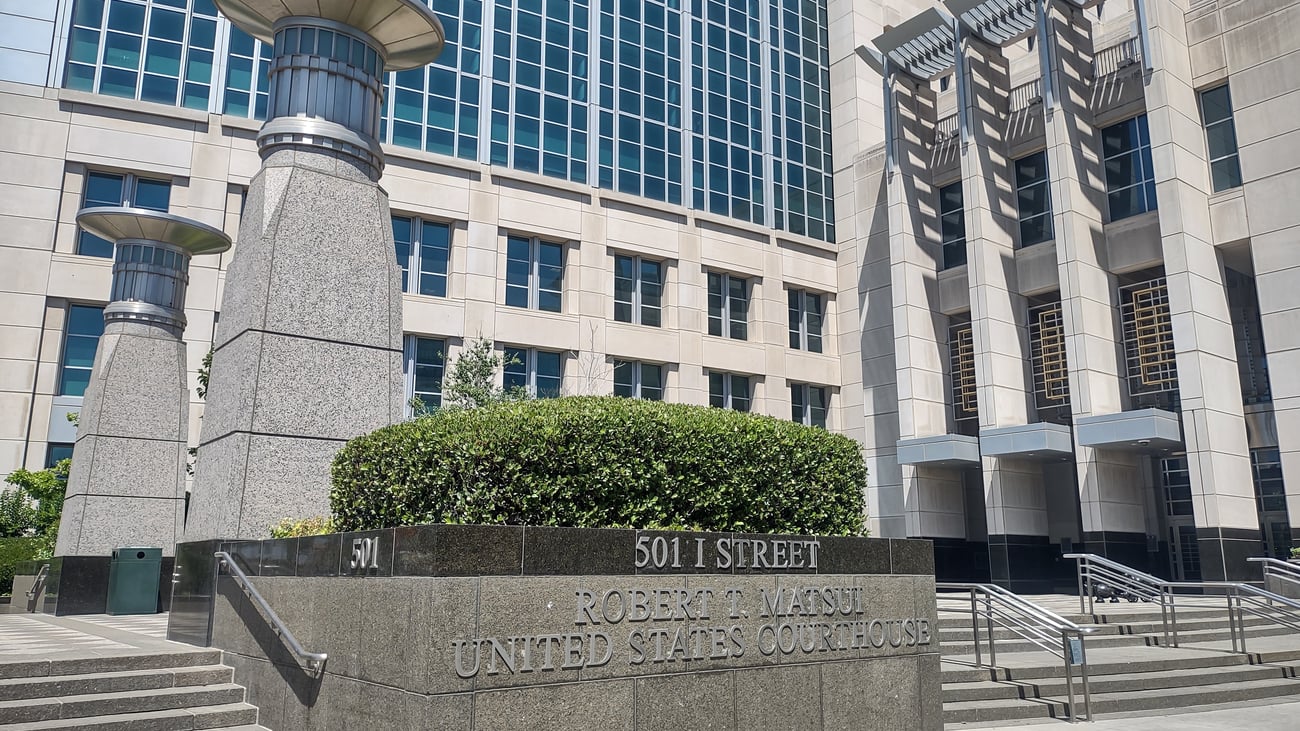
Sacramento County settled a wrongful death lawsuit brought by the estate of Sherrano Stingley following his fatal encounter with deputies. The case centered on whether law enforcement had adequate notice of Stingley's mental disability when responding to the incident that led to his death.
Stingley's estate contended that deputies should have recognized signs of his mental health condition during their interaction and adjusted their response accordingly. The claim raises liability questions under California law regarding law enforcement's duty to accommodate individuals with known or apparent disabilities during emergency calls.
The settlement resolves the dispute without admission of fault from Sacramento County. Terms of the agreement remain confidential, standard practice in government settlements involving use-of-force deaths.
This case reflects broader litigation trends across California and the United States. Families of individuals with mental health conditions who die during police encounters increasingly pursue civil claims alleging inadequate training, failure to de-escalate, and negligent response. The Americans with Disabilities Act and state wrongful death statutes provide legal grounds for such claims.
Sacramento County's resolution avoids extended litigation and potential jury trial exposure, which can result in substantial verdicts in high-profile death cases. The settlement contributes to an expanding body of civil judgments and settlements that pressure law enforcement agencies to implement mental health crisis training and protocols.
The decision carries implications for deputy training requirements in Sacramento County. Agencies nationwide have expanded crisis intervention training (CIT) and co-response models pairing officers with mental health professionals following similar settlements and verdicts.
Stingley's case joins hundreds of documented incidents where individuals with mental illness died during police contact. Families, disability advocates, and civil rights organizations have used civil litigation to drive systemic change where criminal accountability proves difficult to establish.
THE TAKEAWAY: Sacramento County's settlement acknowledges potential liability when deputies encounter individuals with known mental health conditions, pressuring agencies to implement better screening and de-escal