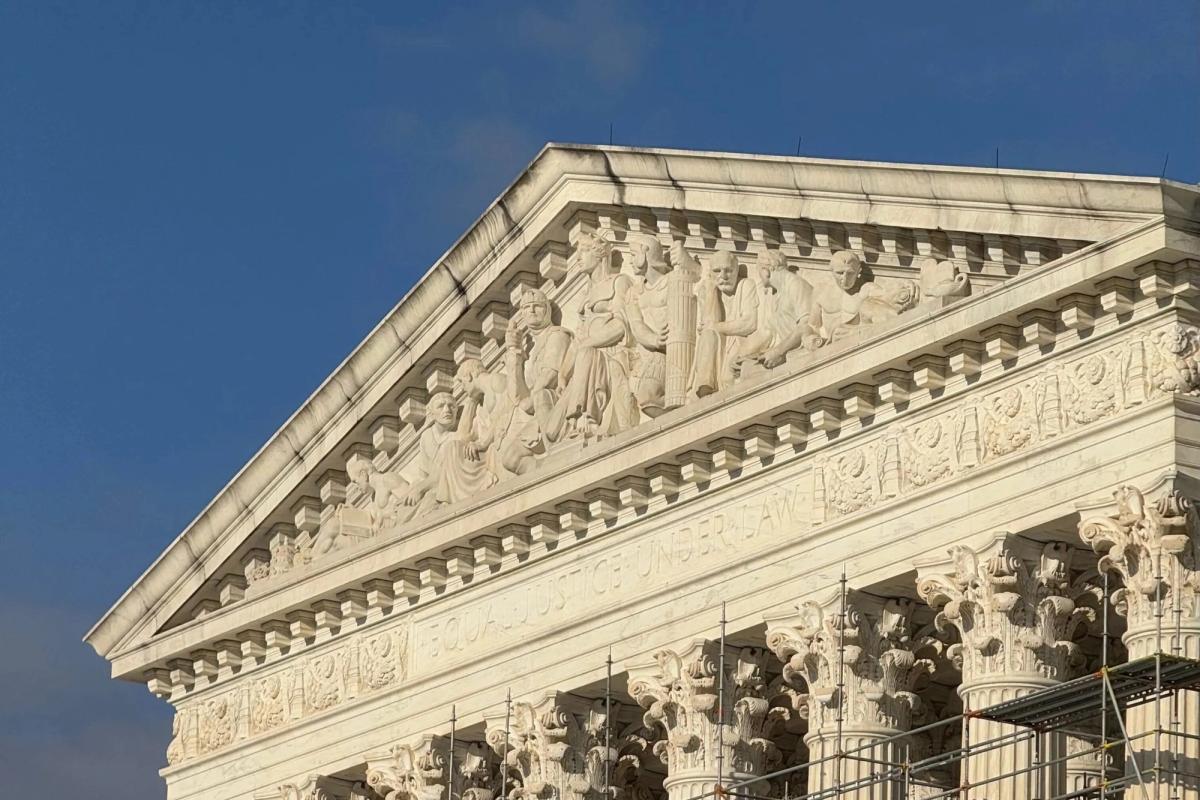
The Supreme Court continues processing interim motions and emergency applications as E. Jean Carroll's defamation case against President Donald Trump moves through the federal system. SCOTUSblog reports docket activity related to Carroll's ongoing litigation, which stems from Trump's public statements denying allegations of sexual assault and defamation.
Carroll, a writer and former television host, sued Trump in federal court in New York alleging defamation over his repeated denials of her sexual assault claim and statements he made in response to her allegations. The case has generated substantial Supreme Court interest, with justices managing various filings and procedural motions.
The docket action referenced includes interim orders and potentially emergency applications filed by either party. Such motions typically address immediate legal questions requiring expedited resolution before the full merits of a case proceed. The Supreme Court's involvement at this stage suggests the case presents questions the justices deemed worthy of their attention, whether through stay requests, injunction applications, or other extraordinary relief.
This litigation sits at the intersection of defamation law, presidential immunity, and First Amendment protections. Lower courts have already made significant rulings on Trump's motion to dismiss and on questions of immunity. The case tests whether sitting or former presidents receive special protections from defamation suits filed by private parties based on statements made during official capacity disputes.
Carroll's case differs from other Trump-related litigation in that it focuses narrowly on defamation rather than criminal conduct or election interference. Her attorneys have argued Trump's statements caused reputational harm and emotional distress through repeated public denials framed as attacks on her credibility.
The Supreme Court's docket tracking reflects how complex litigation with high public interest generates multiple procedural filings requiring judicial management. Each interim order signals the justices' assessments of urgency and legal weight as the case develops.
THE BOTTOM LINE: The Supreme Court's continued docket engagement with