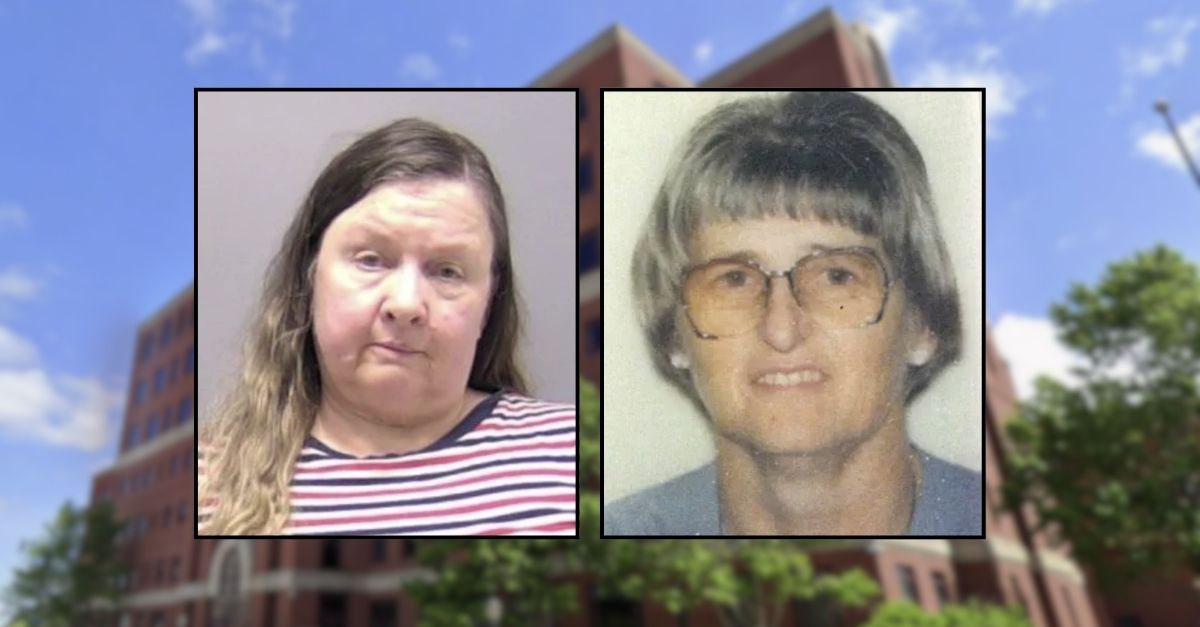
A caregiver in an undisclosed jurisdiction concealed the death of an 86-year-old woman for approximately three years, according to police. The victim's mummified remains were discovered in her home, suggesting the body had undergone natural decomposition over an extended period without intervention or reporting to authorities.
The caregiver maintained a deception regarding the victim's whereabouts during the concealment period. A witness reported encountering the suspect at a grocery store weeks before the discovery, during which the caregiver allegedly claimed the elderly woman was staying with her niece. This false statement helped mask the death and allowed the caregiver to continue avoiding detection.
The discovery of human remains in an advanced state of decomposition creates multiple criminal liability questions. Depending on jurisdiction, the caregiver faces potential charges including failure to report a death, abuse of a dependent adult, fraudulent misrepresentation, and potentially unlawful concealment of human remains. Prosecutors must establish whether the caregiver caused the death or merely failed to report a natural death. The three-year delay substantially complicates forensic determination of cause of death.
This case reflects systemic vulnerabilities in elder care oversight. Professional and family caregivers typically face mandatory reporting requirements when a person under their care dies. Failure to notify medical examiners, coroners, or law enforcement constitutes criminal conduct in most jurisdictions. The extended concealment here suggests inadequate monitoring mechanisms and possible exploitation of isolation factors common in home-care arrangements.
The discovery raises questions about financial exploitation as well. Caregivers sometimes continue collecting compensation, accessing benefits, or maintaining control over accounts following a client's death. Investigators will likely examine financial records and benefit payments made during the three-year period following the victim's death.
This incident underscores the need for regular welfare checks on vulnerable elderly persons, particularly those receiving in-home care.