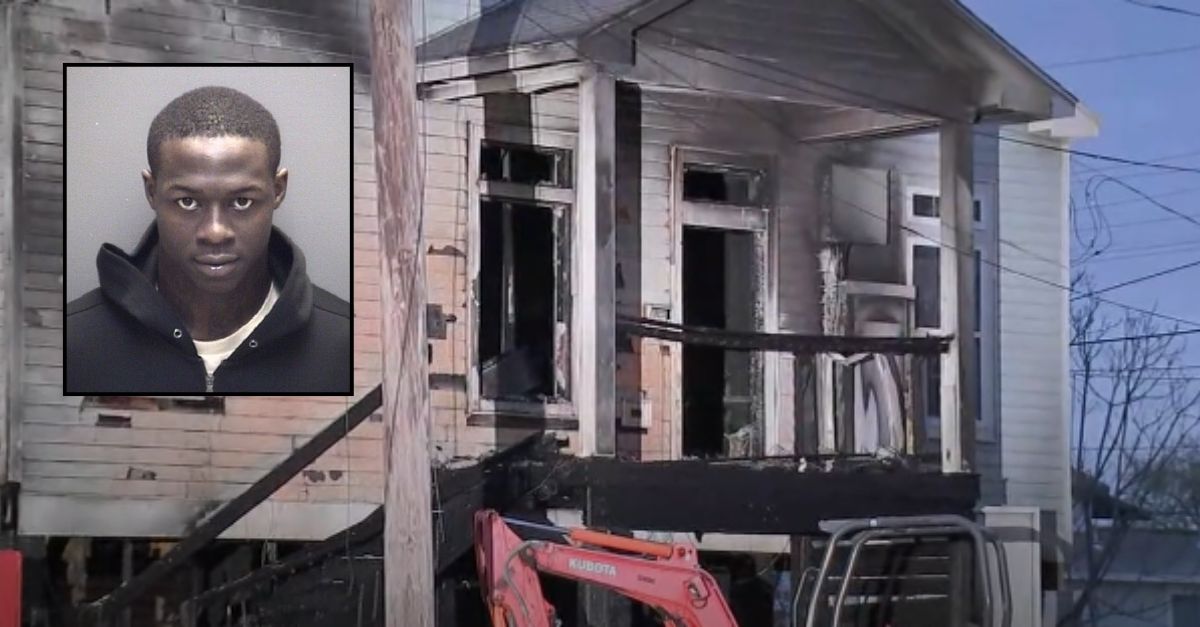
A Texas man received a life sentence without parole after deliberately setting fire to a residence in retaliation for an unpaid debt, resulting in the death of an innocent woman. The arsonist torched the home's entry points to trap occupants inside, but killed the mother of his intended target rather than the debtor himself.
Prosecutors established that the defendant acted with premeditation and malice. He set the fires specifically to prevent escape, demonstrating clear intent to cause death or serious bodily harm. The victim, who was not the person who owed him money, perished in the blaze.
Texas law treats arson resulting in death as a capital offense. Under Texas Penal Code Section 30.02, arson of a habitation constitutes a felony. When that arson causes a death, courts can impose either death or life without parole. The prosecution successfully argued the defendant's actions constituted felony murder, where a death occurs during the commission of a dangerous felony, even if unintended.
The case demonstrates a critical legal principle: criminal liability extends beyond the intended victim. When someone commits a violent felony and causes death, courts hold the perpetrator responsible for all resulting deaths, not merely those originally targeted. This doctrine applies regardless of whether the defendant specifically intended to kill the person who actually died.
The sentencing carries weight for both criminal justice and civil liability. The victim's family can pursue wrongful death claims against the defendant, though collection prospects remain minimal given his incarceration without parole. The conviction establishes liability without requiring separate proof of intent to kill that specific individual.
This case underscores how arson prosecutions escalate when fires endanger human life. Setting fires to structures with known occupants elevates charges from simple arson to potentially capital offenses. Texas courts treat such conduct with maximum severity.
THE BOTTOM LINE: A debt dispute turned fatal