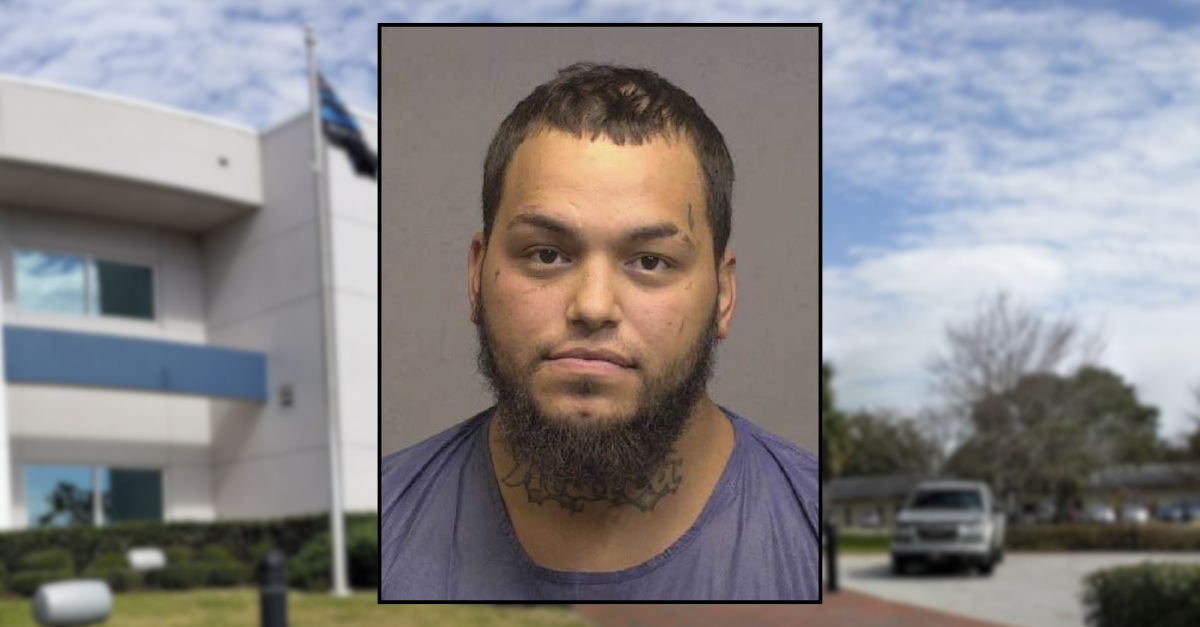
A man named Cruz engaged in a month-long campaign of threats and extortion against a woman after she stopped responding to his Instagram messages, according to police reports. The woman described their relationship as romantic, but Cruz's demeanor shifted dramatically once she disengaged. Officers documented that he "would go into jealous rages."
Cruz threatened to shoot the victim and attempted blackmail during the sustained harassment. The escalation began after the woman ceased communication with him on the social media platform. Police characterized his conduct as a pattern of criminal intimidation tied to rejected romantic advances and perceived infidelity.
The case involves multiple potential criminal violations. Threatening language conveying intent or ability to cause harm typically triggers charges under threats statutes. Many jurisdictions classify such communications as felonies when they reference weapons like firearms. The blackmail component introduces extortion charges, which require the defendant to obtain property, services, or money through coercion or threats of harm.
This situation reflects broader patterns in cyberstalking and online harassment cases. Instagram and similar platforms create accessible channels for prolonged contact that victims cannot easily escape. The permanence of digital communications provides evidence prosecutors can present at trial. Screenshots and message histories establish timelines and document threatening language verbatim.
Jurisdictional factors determine charging decisions and sentencing exposure. Federal law under 18 U.S.C. Section 875 criminalizes interstate threats transmitted electronically, carrying penalties up to five years imprisonment. State laws vary but generally impose enhanced penalties when threats reference specific weapons or target identifiable victims. Extortion charges typically carry sentences ranging from five to twenty years depending on the state and whether violence occurs.
The case underscores the legal protections available to stalking and harassment victims. Restraining orders, criminal charges, and civil lawsuits offer remedies. Police departments increasingly train officers to document digital harassment comprehensively. Social media platforms have implemented