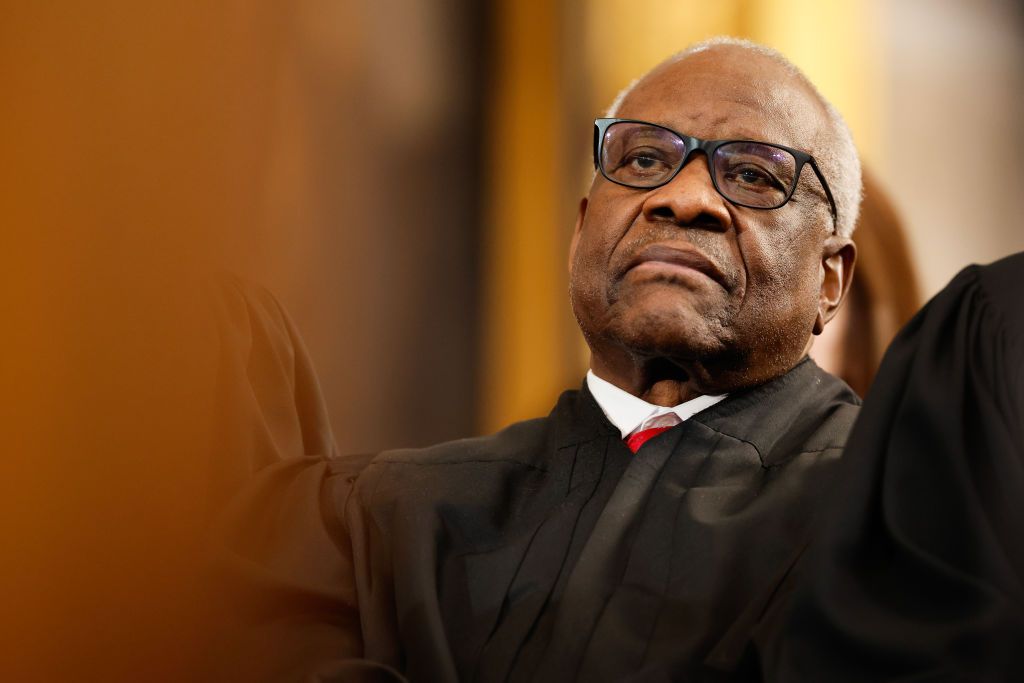
# Justice Stephen Breyer's Tenure Shaped Modern Constitutional Law
Justice Stephen Breyer served 28 years on the U.S. Supreme Court, becoming the second-longest-serving justice in American history. He retired in June 2022, succeeded by Justice Ketanji Brown Jackson.
Breyer authored 555 majority opinions during his tenure, addressing major areas including administrative law, constitutional interpretation, and statutory construction. His pragmatic approach to jurisprudence prioritized real-world consequences over strict textualism.
His voting record reflected moderate-to-liberal positions on critical issues. Breyer dissented forcefully in cases affecting voting rights, gun regulations, and abortion rights. In Dobbs v. Jackson Women's Health Organization, his dissent alongside Justices Sotomayor and Kagan challenged the majority's reversal of Roe v. Wade.
Breyer's administrative law expertise shaped regulatory practice nationwide. He authored opinions governing the separation of powers, agency authority, and statutory interpretation. His emphasis on agencies' regulatory expertise influenced how courts review federal agency decisions for decades.
His appointment by President Bill Clinton in 1994 followed his work on the Senate Judiciary Committee and as a federal appellate judge. He replaced retiring Justice Harry Blackmun.
Breyer authored the majority opinion in United States v. Lopez, a watershed case limiting Congress's Commerce Clause power. He also wrote in Hamdi v. Rumsfeld, addressing executive power during wartime.
His retirement marked a generational shift on the bench. At 83 years old, Breyer stepped down as the Court faced intensifying partisan divisions. His departure eliminated a consistent moderate voice, tilting the Court's ideological composition rightward.
Before joining the Supreme Court, Breyer served as an appellate judge on the U.S. Court of Appeals for