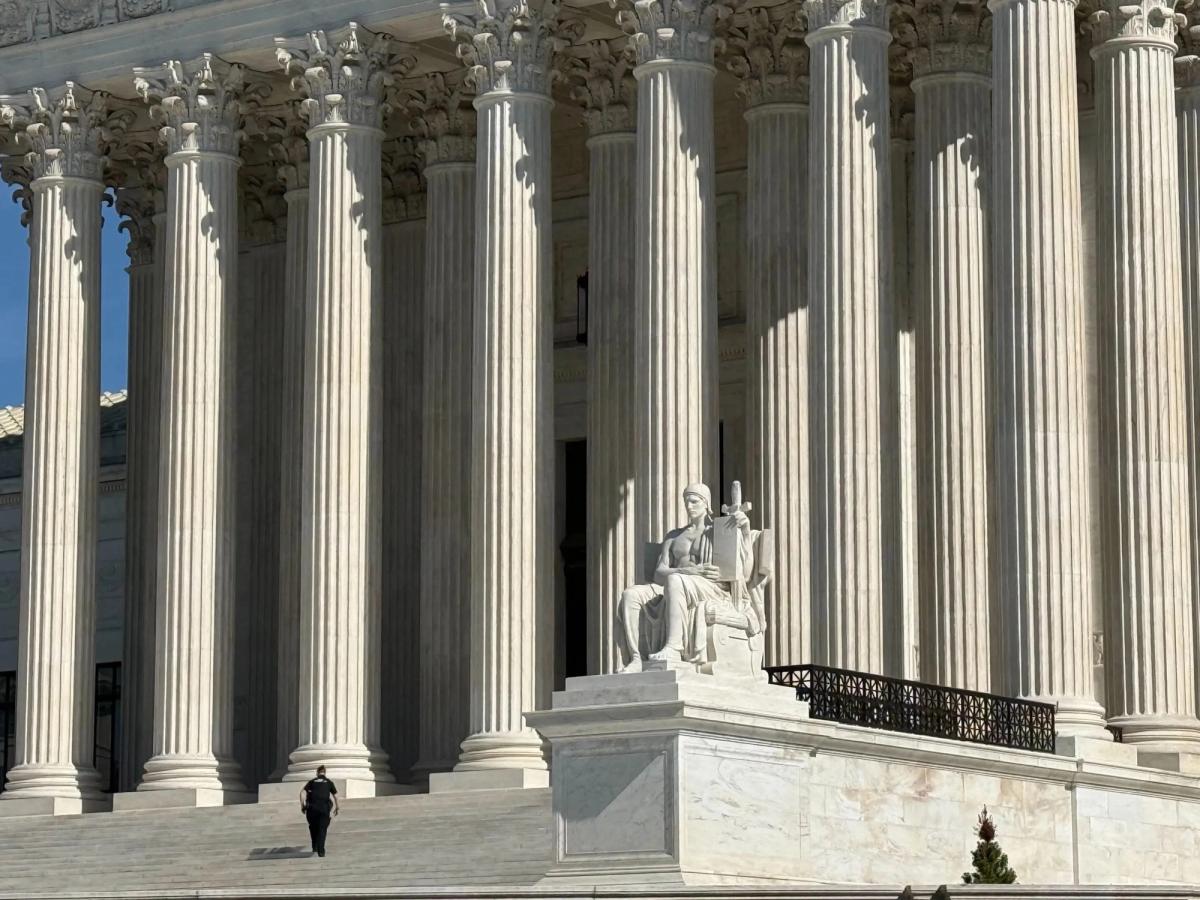
A federal court rejected Apple's emergency request to pause an order finding the company in contempt for allegedly violating a prior injunction related to App Store practices. The ruling keeps intact a contempt determination that exposes Apple to potential sanctions.
The underlying dispute stems from enforcement of an earlier court order requiring Apple to modify its App Store policies. Apple contested whether it had actually violated that injunction, but the court disagreed. Rather than immediately comply, Apple sought a stay, or temporary pause, of the contempt finding while it appealed.
The court denied Apple's stay request, finding the company failed to show a likelihood of success on appeal or that irreparable harm justified halting enforcement. This decision signals judicial skepticism toward Apple's legal arguments. The tech giant now faces contempt consequences, which can include fines or additional court-imposed remedies beyond the original injunction.
The practical stakes are high. Contempt findings in antitrust and consumer protection cases often lead to escalating penalties and tighter judicial oversight. For Apple, continued defiance or unsuccessful appeals could result in substantial financial penalties or more restrictive App Store operating requirements. The company's legal team must now decide whether to pursue full appellate review or negotiate compliance.
This case reflects ongoing tension between major technology platforms and regulators over App Store gatekeeping practices. Multiple jurisdictions, including California state courts and federal authorities, have targeted similar policies. Apple's loss here strengthens the hand of other plaintiffs and regulators pursuing comparable enforcement actions.
The ruling also demonstrates judicial impatience with what courts perceive as corporate resistance to compliance orders. When companies challenge the scope or meaning of injunctions, courts apply contempt findings to enforce obedience. Apple's failed emergency request suggests the reviewing court views the original injunction as clear and Apple's violation as evident.
THE TAKEAWAY: Apple's contempt exposure increases without a stay, forcing the company to choose