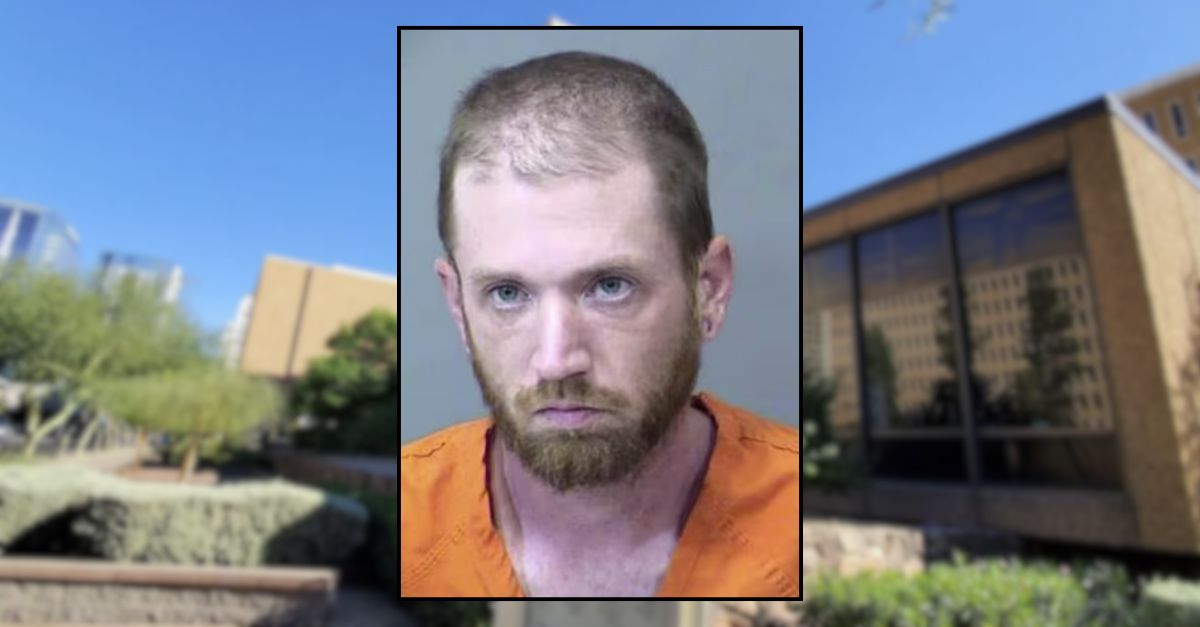
A man previously acquitted on self-defense grounds after one fatal shooting now faces murder charges stemming from a second killing, exposing the limits of repeat reliance on the same legal theory.
Authorities discovered the victim, identified as Lephiew, dead from multiple gunshot wounds inside a residence. The accused, Lanunziata, remained on the roof during the police response and spoke with first responders before officers entered and found the body.
The critical distinction separating Lanunziata's two cases centers on the credibility and circumstances surrounding each self-defense assertion. His first homicide resulted in acquittal, establishing he successfully convinced a jury that deadly force was justified under the law. That precedent does not shield him from criminal liability in the second incident, however. Each homicide presents distinct factual circumstances and evidence.
Self-defense statutes across jurisdictions permit the use of force reasonably believed necessary to prevent death or serious bodily injury. Juries evaluate these claims based on the totality of circumstances at each incident. A prior successful self-defense claim carries no legal weight in subsequent prosecutions. Prosecutors can exploit patterns in Lanunziata's behavior, arguing he manufactured self-defense narratives or escalated situations unnecessarily.
The second prosecution likely hinges on whether Lanunziata faced an imminent threat justifying lethal force. Factors courts examine include whether he retreated when possible, whether he initiated the confrontation, and whether witnesses corroborate his version of events. The multiple gunshot wounds raise questions about proportionality and necessity.
This case demonstrates that self-defense acquittals do not grant blanket immunity for future killings. Each homicide stands independently within the criminal justice system. Defense attorneys cannot point to prior success and expect courts to apply the same theory mechanically. Prosecutors gain leverage by highlighting patterns, questioning credibility after the first acquit