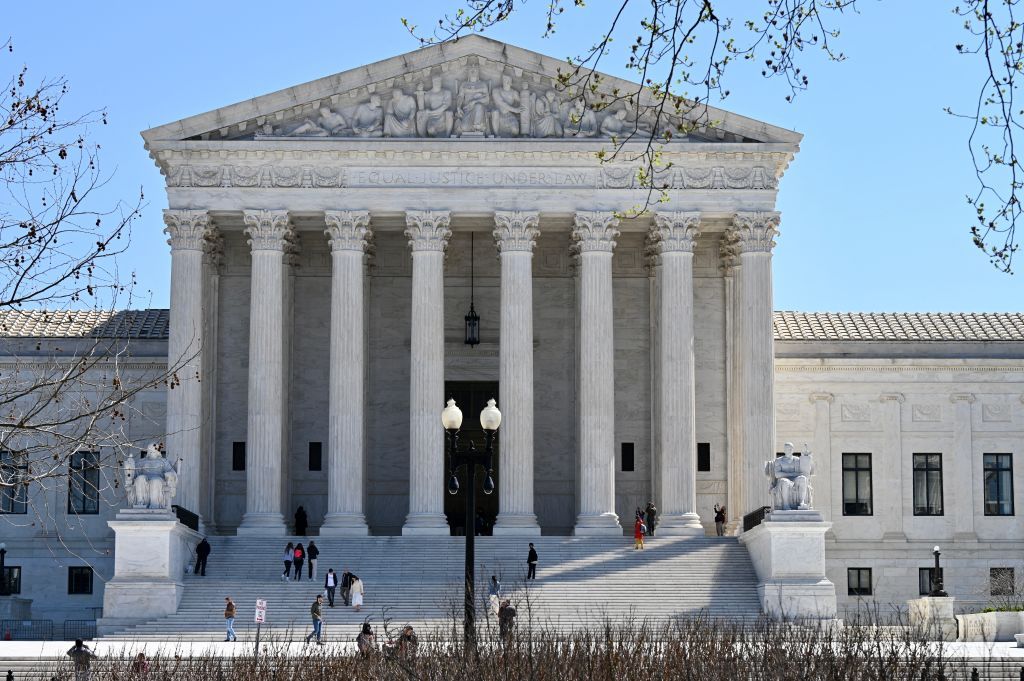
The Supreme Court heard oral arguments in a case that will determine whether California's cancer warning requirement for glyphosate herbicides can survive federal preemption challenges. Monsanto, now owned by Bayer, contests California's Proposition 65 labeling mandate for Roundup products, arguing federal pesticide regulations should supersede state warning requirements.
The core legal dispute involves competing regulatory frameworks. The Federal Insecticide, Fungicide, and Rodenticide Act (FIFRA) grants the Environmental Protection Agency exclusive authority over pesticide labeling and safety determinations. The EPA has concluded glyphosate does not cause cancer in humans. California, however, classifies glyphosate as a known carcinogen under Proposition 65 and requires warning labels on products sold in the state.
Monsanto contends that allowing California to mandate cancer warnings directly contradicts the EPA's scientific determination and violates the Supremacy Clause of the Constitution. The company argues this creates an impossible regulatory burden where manufacturers must choose between complying with federal law or California's requirement. State officials defend Proposition 65 as a consumer protection measure that does not ban the product, only requires disclosure.
The justices signaled concern about several issues during arguments. Some questioned whether California can impose its own scientific conclusions against federal determinations. Others focused on whether label warnings constitute a form of indirect regulation or speech compelled by the state. The case touches fundamental questions about federalism, state sovereignty, and consumer protection authority.
Lower courts split on the issue. A California court upheld the warning requirement, while federal appellate decisions raised preemption concerns. The Supreme Court decision will affect not only Roundup but pesticide labeling nationwide and potentially Proposition 65 enforcement across various products.
A ruling for Monsanto would curtail state-level health warnings. A decision favoring California would validate state cancer warnings