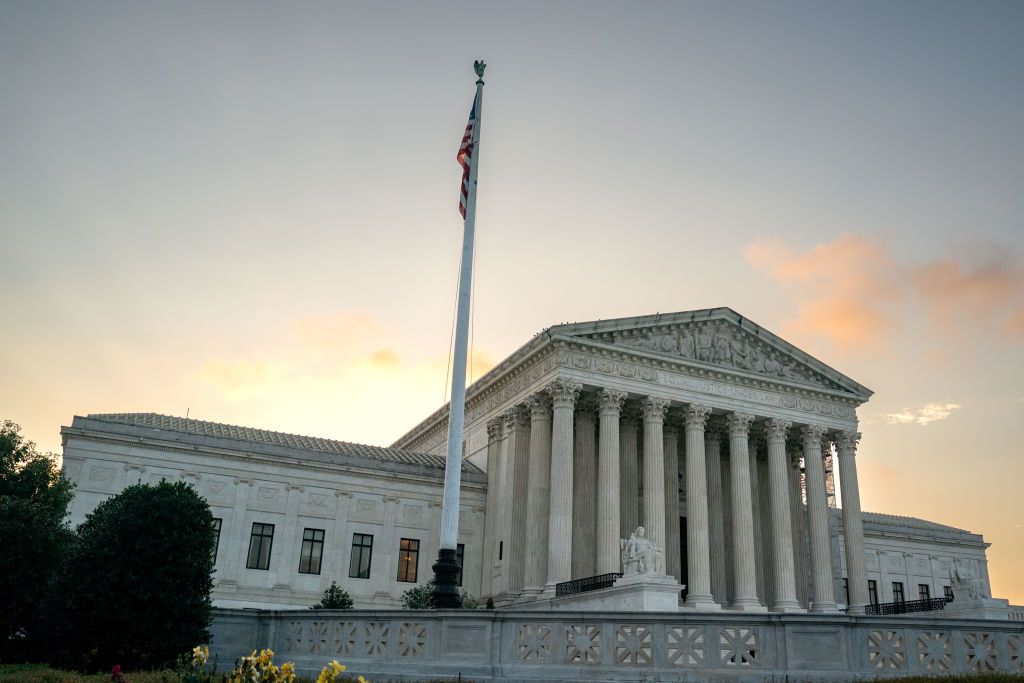
# The Docket That Cannot Be Named
The Supreme Court has faced an unusual predicament involving a case that exists in the official record but remains largely inaccessible to the public. This situation highlights tensions between judicial transparency and the Court's discretionary powers over case administration.
The circumstances surrounding this sealed or restricted docket have sparked debate among legal scholars and journalists who monitor Supreme Court proceedings. While the Court maintains inherent authority to manage its docket and restrict certain filings, the complete closure of a case from public view runs counter to the longstanding principle of open courts that undergirds the American judicial system.
Several factors may contribute to such restrictions. The Supreme Court occasionally limits access to cases involving national security, ongoing investigations, or parties who have successfully petitioned for confidentiality. However, even under these circumstances, the Court typically provides some public explanation for the restriction, allowing observers to understand the justification.
The opacity surrounding this particular docket raises concerns about accountability. Legal professionals, litigants, and citizens depend on access to court records to understand judicial reasoning and ensure consistent application of law. When cases disappear from public view without clear explanation, confidence in the judiciary erodes.
Chief Justice John Roberts has emphasized the Court's commitment to transparency in recent years. Yet administrative decisions that limit access to specific dockets sometimes occur without the same level of public attention granted to substantive rulings. This gap between stated commitments and practical restrictions deserves scrutiny.
The docket in question exemplifies a broader challenge facing federal courts. As cases become increasingly complex and sensitive, judges must balance legitimate privacy interests against the public's right to observe judicial proceedings. The Supreme Court's response to such tensions will shape precedent for lower courts confronting similar decisions.
Going forward, court observers expect clarification about the parameters governing case restrictions and the circumstances justifying sealed or restricted dockets. Enhanced transparency regarding administrative decisions would align Supreme Court practice with its