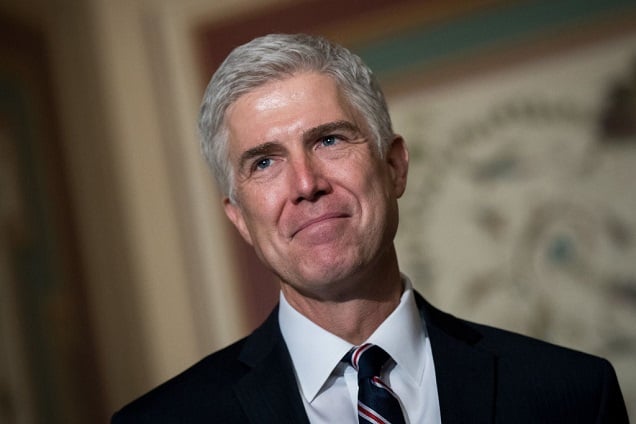
Justice Neil Gorsuch has publicly urged confidence in the Supreme Court's institutional processes while tacitly acknowledging the bench's escalating leak problem. Speaking in defense of the Court's internal workings, Gorsuch called for trust in the system itself rather than relying on information disclosed through unofficial channels.
The statement addresses a documented pattern of confidential information emerging from the Court. Most notably, a draft opinion in Dobbs v. Jackson Women's Health Organization leaked in 2022 before the final decision on abortion rights became public. That breach sparked internal investigations and raised questions about institutional security and the reliability of information originating outside official Court channels.
Gorsuch's remarks balance institutional defense with candor. He stopped short of dismissing the leaks as insignificant but framed them as separate from the legitimacy of the Court's actual work. His message targets both internal confidence and public perception. The justice appears to distinguish between leaked material, which may be incomplete or distorted, and the Court's formal opinions and processes.
The leak problem carries real legal implications. Incomplete draft opinions can mislead parties relying on them. Media coverage of leaked materials may distort public understanding of judicial reasoning. For litigants and lower courts awaiting guidance, leaked information creates uncertainty about what the Court will actually decide.
Gorsuch's position reflects a broader institutional dilemma. The Court operates through confidential chambers, draft exchanges, and internal deliberations designed to protect judicial independence. Yet those same safeguards create information vacuums that leaks fill. His call for trust presupposes that formal channels, ultimately, deliver reliable law.
The statement has practical consequences. If justices believe breaches persist despite denials, internal trust erodes. Justices may limit information sharing or change how they communicate. These adaptations could slow decision-making or fragment reasoning across opinions.
For the broader legal community