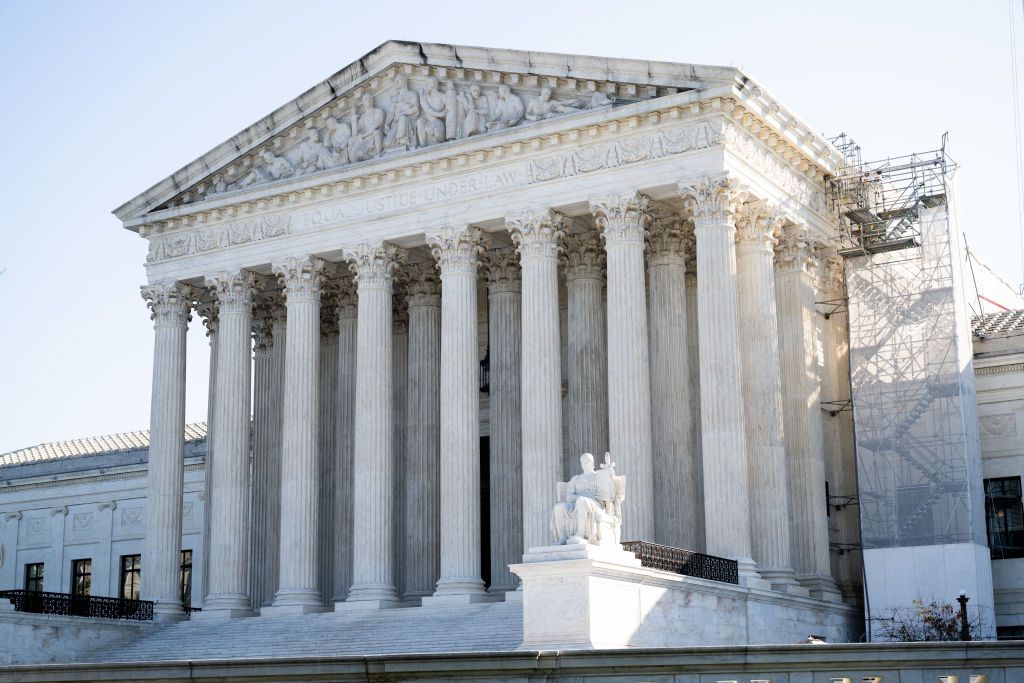
The U.S. Supreme Court issued a temporary order Saturday allowing continued mail access to mifepristone, the abortion pill used in medication abortion. The order paused enforcement of a Fifth Circuit ruling that would have reinstated an in-person dispensing requirement for the drug.
Danco Laboratories and another mifepristone manufacturer filed an emergency application with the Supreme Court seeking to block the Fifth Circuit's decision. Louisiana had challenged the Food and Drug Administration's 2023 rule permitting patients to obtain mifepristone through mail delivery after an in-person consultation with a prescriber.
The Fifth Circuit had ruled in Louisiana's favor, reinstating the original FDA requirement that mifepristone be dispensed only during an in-person office visit. This restriction applied across all states, regardless of their abortion laws.
The manufacturers argued that the in-person requirement would effectively eliminate mail-based medication abortion access nationwide. The Supreme Court's temporary order maintains the status quo pending further proceedings, allowing the mail-dispensing rule to remain in effect.
This case represents a direct clash between state restrictions on abortion access and federal drug regulation authority. Louisiana sought to enforce stricter requirements than those established by the FDA through its medical expertise and rulemaking process. The Supreme Court's intervention suggests the justices determined the manufacturers demonstrated a reasonable likelihood of success on the merits or faced irreparable harm without the temporary relief.
The order does not resolve the underlying constitutional or administrative law questions. The case will likely return to the courts for full briefing and decision on whether the FDA lawfully expanded access to mifepristone. The outcome affects millions of patients who currently rely on mail-dispensed medication abortion as an alternative to clinic-based procedures.
WHY IT MATTERS: Access to medication abortion by mail depends on this litigation, which determines whether states can override federal drug regulations or whether the FDA's authority over pharmaceutical distribution